

Indigenous Governance Database
self-government
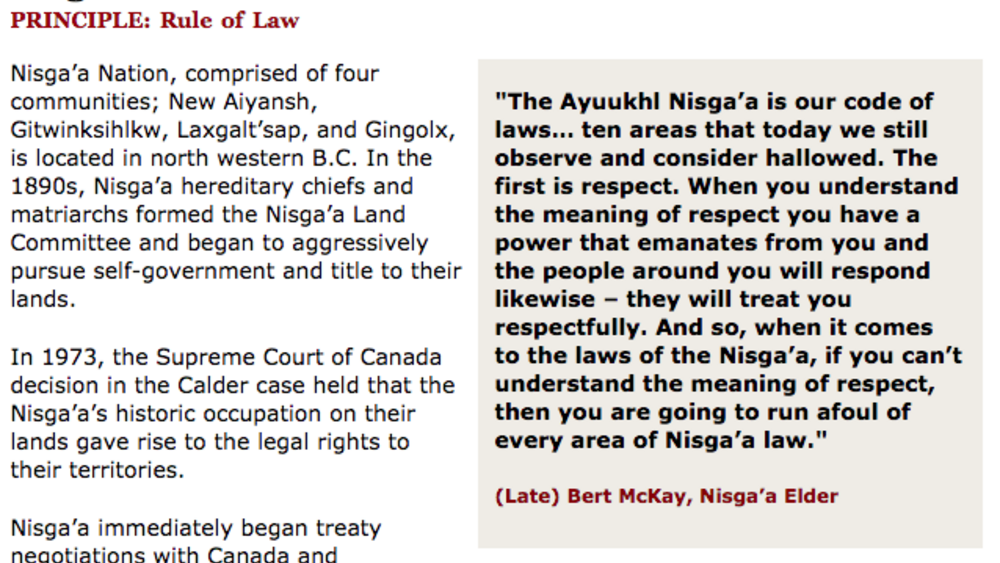
Best Practices Case Study (Rule of Law): Nisga'a Nation
Nisga'a Nation, comprised of four communities; New Aiyansh, Gitwinksihlkw, Laxgalt'sap, and Gingolx, is located in northwestern B.C. In the 1890s, Nisga'a hereditary chiefs and matriarchs formed the Nisga'a Land Committee and began to aggressively pursue self-government and title to their lands.…
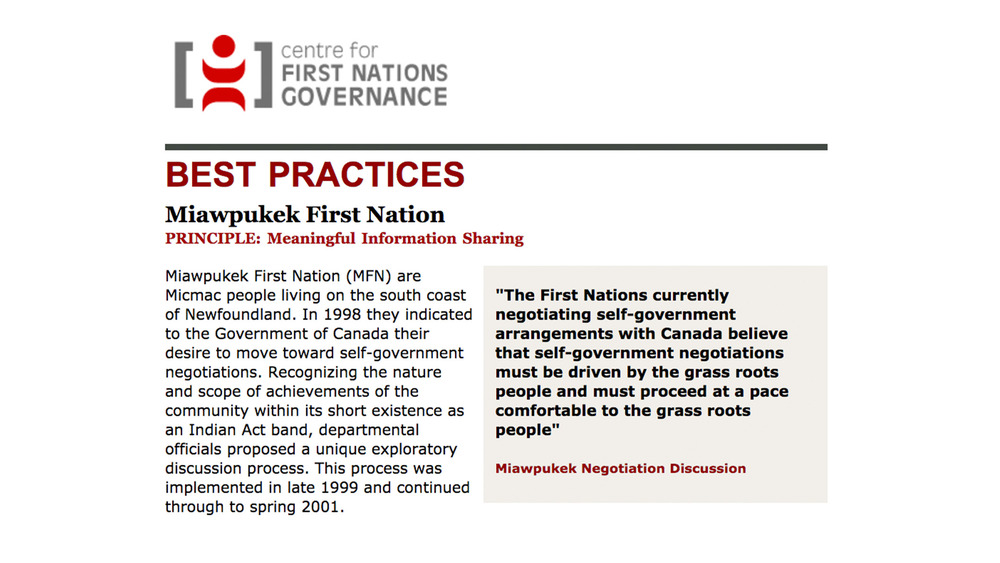
Best Practices Case Study (Meaningful Information Sharing): Miawpukek First Nation
Miawpukek First Nation (MFN) are Micmac people living on the south coast of Newfoundland. In 1998 they indicated to the Government of Canada their desire to move toward self-government negotiations. Recognizing the nature and scope of achievements of the community within its short existence as an…
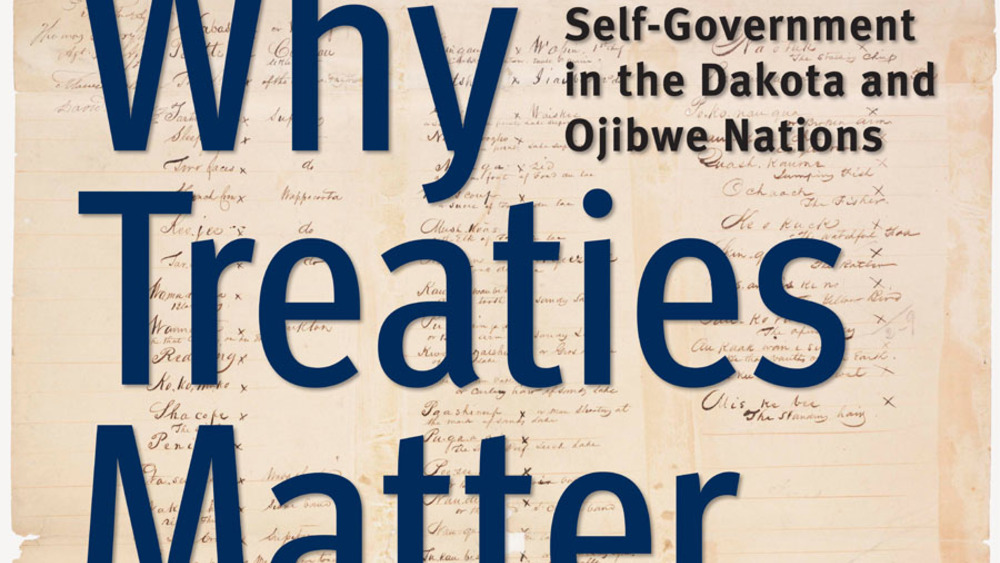
Why Treaties Matter: Relations: Dakota & Ojibwe Treaties
Ojibwe and Dakota people in what is now Minnesota signed dozens of treaties with the United States. Among these treaties are famous land cession agreements in which sovereign American Indian groups retained ownership or use of natural resources — land, water, timber, minerals — or transferred these…

Securing Our Futures
NCAI is releasing a Securing Our Futures report in conjunction with the 2013 State of Indian Nations. This report shows areas where tribes are exercising their sovereignty right now, diversifying their revenue base, and bringing economic success to their nations and surrounding communities. The…
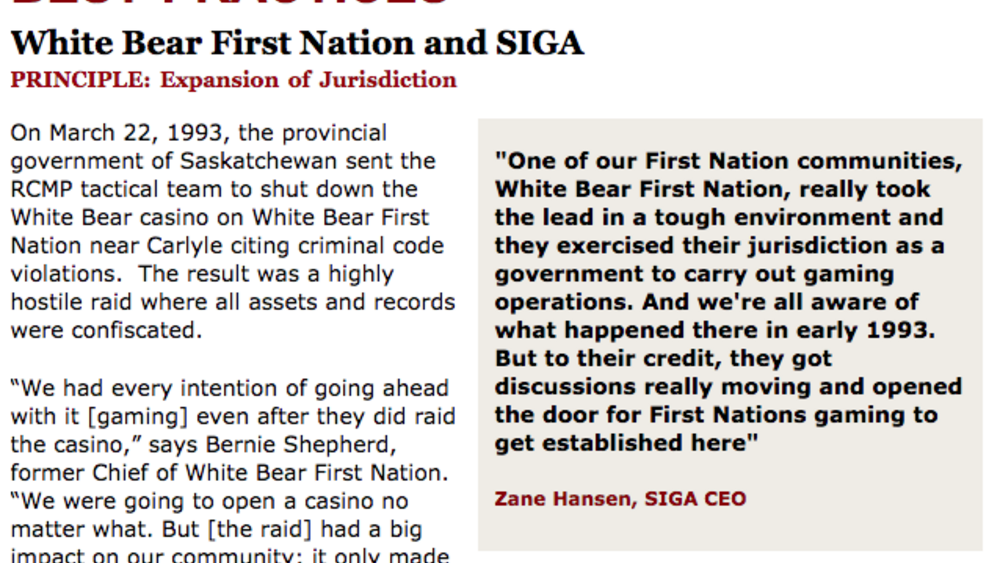
Best Practices Case Study (Expansion of Jurisdiction): White Bear First Nation and SIGA
On March 22, 1993, the provincial government of Saskatchewan sent the RCMP tactical team to shut down the White Bear casino on White Bear First Nation near Carlyle citing criminal code violations. The result was a highly hostile raid where all assets and records were confiscated. "We had every…
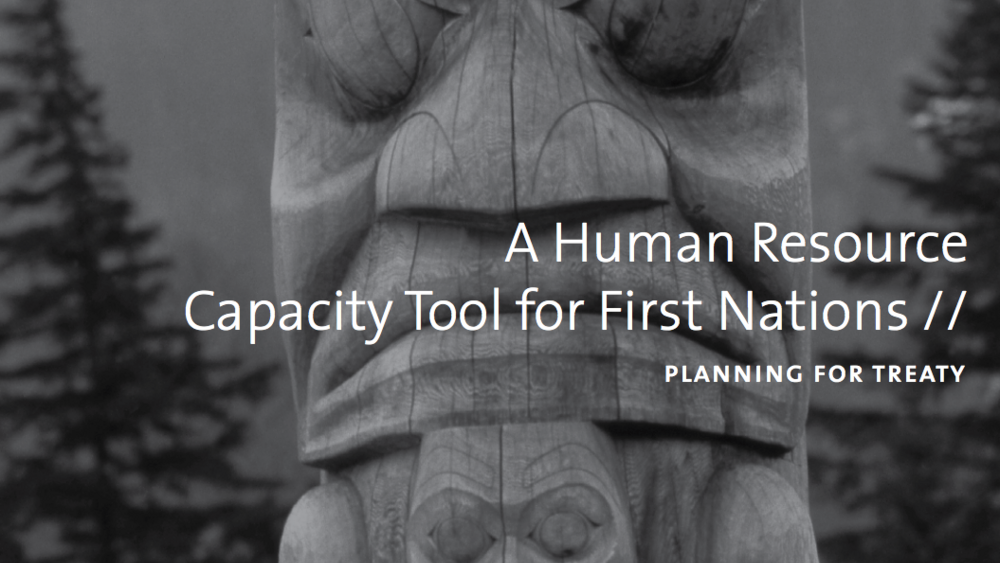
A Human Resource Capacity Tool for First Nations
This tool was developed by the British Columbia Treaty Commission (BCTC) to assist BC First Nations who are working through the treaty process with their Human Resource (HR) planning. It responds to a growing need for a practical, efficient tool for First Nations with diverse sets of priorities,…
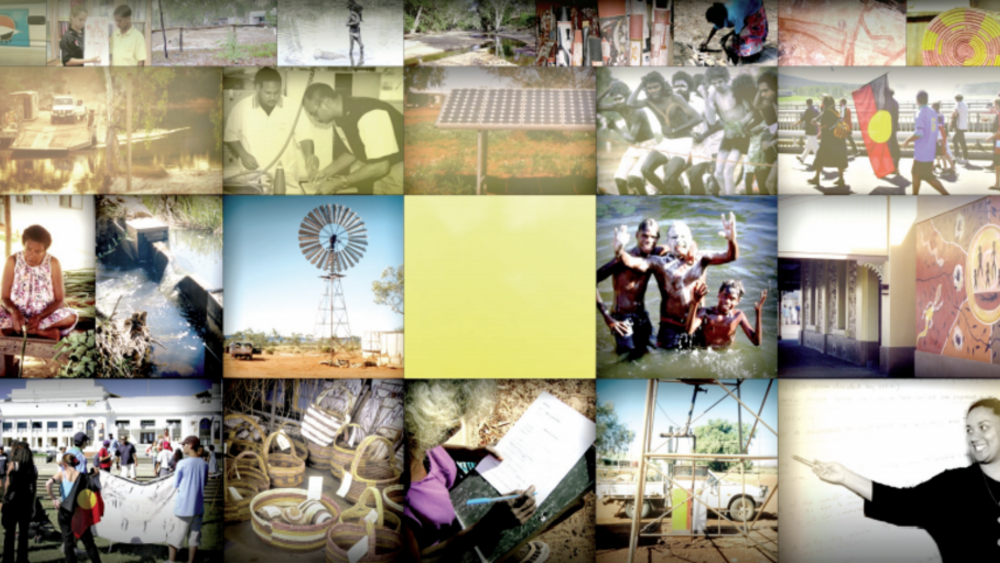
From Gove to Governance: Reshaping Indigenous Governance in the Northern Territory
This paper attempts to identify the key challenges facing Indigenous people and governments in reshaping the architecture of Indigenous governance in the Northern Territory of Australia, and considers some strategic options for a way forward. First, a brief historical background is provided to…
Colonial Fracture And Community Cohesion: Governance In The Stó:Lõ Community Of Shxw'õwhámél
This paper has three goals: 1) To briefly outline the process through which Shxw’õwhámél came to adopt the Siyá:m System in 1994; 2) to highlight certain concerns about the limitations of that system as articulated by community members in 2006; and 3) to provide a detailed discussion of those…
Statement before the United States Senate Committee on Indian Affairs Oversight Hearing on Economic Development
Why is it that, amidst the well-documented and widespread poverty and social distress that characterize American Indian reservations overall, an increasing number of Native nations are breaking old patterns and building economies, social institutions, and political systems that work? What explains…
Aboriginal Nationhood and the Inherent Right to Self-Government
Canadian governments and courts recognize that pre-contact Aboriginal societies possessed their own legal and political systems and that to this day these nations have not surrendered the powers they fully exercised before colonial policies undercut their authority. …
Indigenous Governance: Questioning the Status and the Possibilities for Reconciliation with Canada's Commitment to Aboriginal and Treaty Rights
Indigenous peoples have always had governance. This fact has been a matter of great debate among Canadian politicians and scholars for many years, but there is little doubt that Indigenous Nations had developed for themselves complex systems of government prior to colonization. The…