
Indigenous Governance Database
Economic and Community Development
The Nature and Components of Economic Development in Indian Country
Defines what economic development means and how it applies in Indian Country; looks at the changing patterns of Indian Country economic development; debunks some of the myths and misconceptions about economic development in Native nations; suggests policy options for both Indigenous nations and the…
Reloading the Dice: Improving the Chances for Economic Development on American Indian Reservations
The experiences of a wide array of societies around the world amply demonstrate that achieving sustained, self-determined economic development is a complex and difficult task. Certainly this is the case on the Indian reservations of the United States, where numerous obstacles face tribal leaders,…

Indigenous Peoples, Poverty and Self-Determination in Australia, New Zealand, Canada and the United States
Australia, New Zealand, Canada and the United States are among the world’s wealthiest nations. It is an often noted irony–and an occasional source of embarrassment to the governments of these countries–that the Indigenous peoples within their borders are in each case among their poorest citizens.
Borrowing Trouble: Predatory Lending in Native American Communities
With the collapse of the subprime mortgage lending market, predatory lending has become a significant national concern. In Native communities, however, predatory lending has been a major concern for years, since abusive lending practices have tended to proliferate more in minority and low-income…
Native Nations and Arizona's Economy
American Indians are disproportionately represented among the low-income residents of the state of Arizona. Across the United States, including in Arizona, reservation economies are growing at a fast pace but low starting points for growth mean that it will take years for American…
The Financial Literacy of Native American Youth
Tests of high school students conducted by the Jump$tart Coalition for Personal Financial Literacy indicate that Native American youth are less prepared to make informed financial choices than most of their peers. Jump$tart and the members of the Native Financial Education Coalition (NFEC) are…
Good Native Governance: Lunchtime Keynote Address
UCLA School of Law "Good Native Governance" conference lunchtime keynote speaker, Joseph P. Kalt discusses research in the areas of good Native governance. This video resource is featured on the Indigenous Governance Database with the permission of the UCLA American Indian Studies…
Sophie Pierre: Governance the Ktunaxa Nation Way
Sophie Pierre is a respected native leader that has been at the forefront of building key components and infrastructure for modern self-governance in the Ktunaxa Nation. Her tenure as Chief Commission for the BC Treaty Commission appointed by governments of Canada and British Columbia and the First…
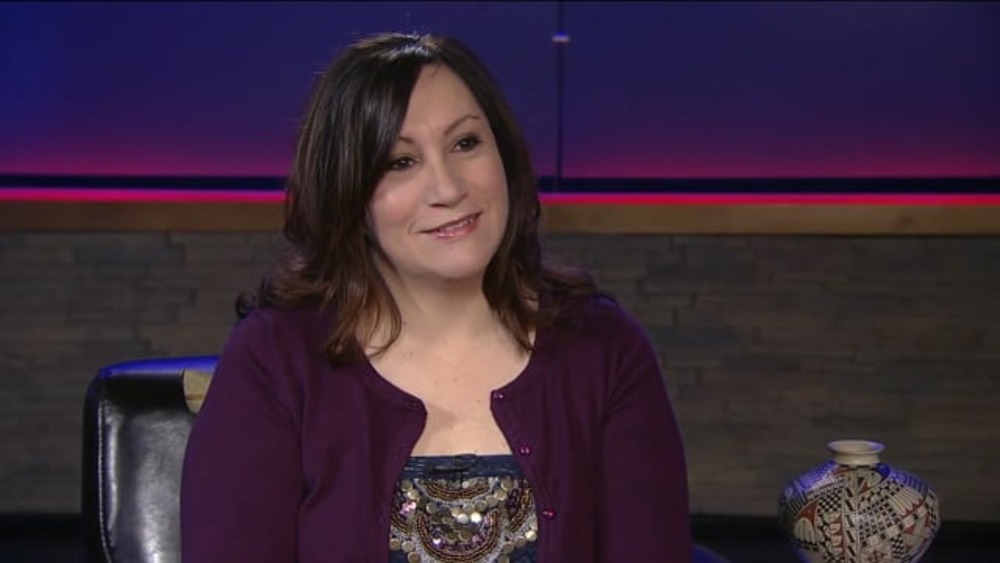
Eileen Briggs: The Importance of Data and Community Engagement
Eileen Briggs is a citizen of the Cheyenne River Sioux Tribe and is the Executive Director of Cheyenne River Sioux Tribal Ventures. She is also the Principal Investigator on "Cheyenne River Voices Research" — a reservation-wide research project including a household survey of over…
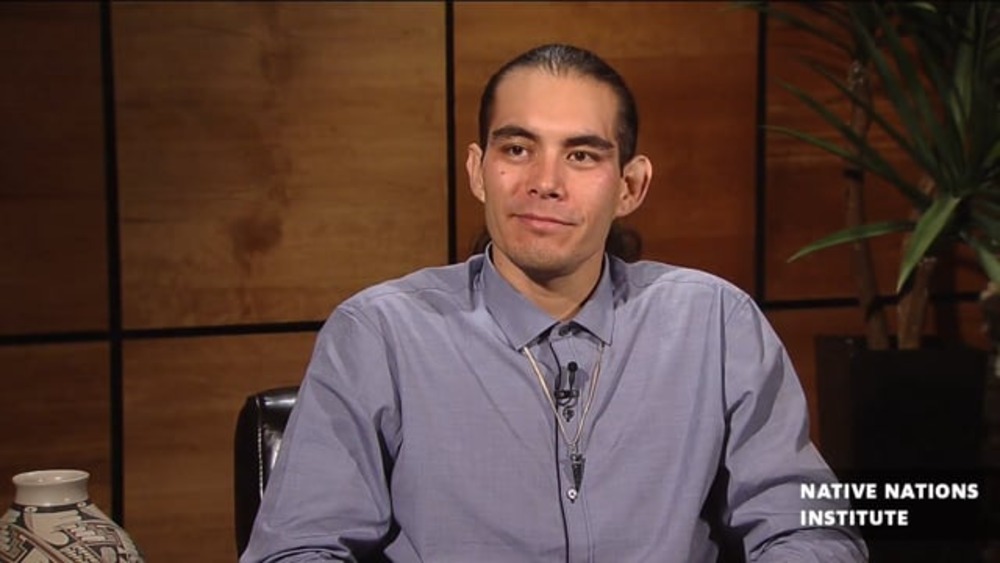
Kristopher Hohag: The Challenge of Governance
Kristopher Hohag, former Vice Chairman of the Bishop Paiute Tribe, recalls his experiences as a young leader participating within tribal government. He provides a brief history of the Bishop Paiute Tribe and recounts the tribe's endeavors to provide a better way of life for the people.…
Good Native Governance Plenary 3: Innovative Research in Education: Educating Tomorrow's Tribal Leaders
UCLA School of Law "Good Native Governance" conference presenters, panelists and participants Tiffany S. Lee, Sheilah E. Nicholas, and Tarajean Yazzie-Mintz focus on the process of educating tribal leaders, youth, and entire communities through relationships and collaborations. This video…
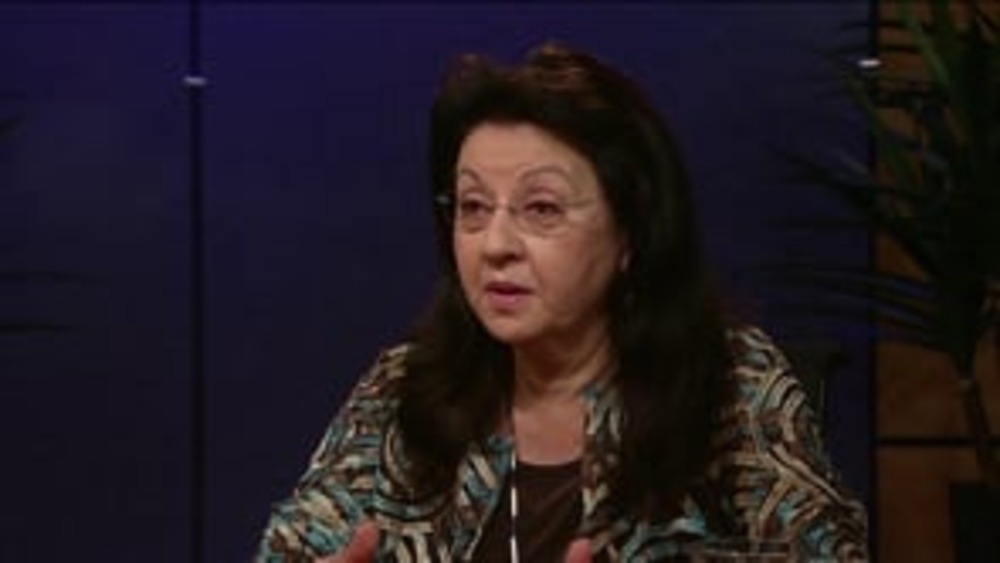
Eva Petoskey: Empowering Good Leadership Through Capable Governance: What My Leadership Experience Taught Me
Eva Petoskey, citizen and former council member of the Grand Traverse Band of Ottawa and Chippewa Indians (GTB), discusses her experiences as an elected leader during a pivotal time in GTB's history. She also stress the importance of Native nations developing capable institutions of self-governance…
Good Native Governance: Keynote Address
UCLA School of Law "Good Native Governance" conference keynote speaker, Kevin Washburn, Assistant Secretary — Indian Affairs for the U.S. Department of the Interior, examines how Native nations are engaging so well in self-determination through good governance. This video resource is…
Good Native Governance Plenary 2: The Cutting Edge of Economic Development in Indian Country
UCLA School of Law "Good Native Governance" conference presenters, panelists and participants Miriam Jorgensen, Robert Miller, and Sherry Salway Black discuss economic research in Indian Country. This video resource is featured on the Indigenous Governance Database with the permission of the …
Rebuilding the Tigua Nation
The Tigua Indians of Ysleta del Sur Pueblo in Ysleta, Texas produced this 16-minute film in 2013 to demonstrate how a Native American tribe can work hard with business skills and tribal customs to shape a prosperous future through education for all levels of the Tigua Nation.
Good Native Governance Break Out 2: Indian Gaming in California
UCLA School of Law "Good Native Governance" conference presenters, panelists and participants Jonathan Taylor, Victor Rocha, and Alexander Tallchief Skibine discuss gaming and its impact for Native nations in California. Mr. Taylor provides a summary of data collection illustrating change in…
From the Good Native Governance: Innovative Research in Law, Education, and Economic Development Conference
Assistant Secretary Kevin Washburn provided a snapshot of Native nations engaging in self-governance reinforcing the notion that "almost anything the federal government can do, tribes can do better" through good governance.
Patricia Riggs: Making Change Happen at Ysleta del Sur Pueblo
Patricia Riggs, Director of Economic Development at Ysleta del Sur Pueblo (YDSP), discusses how YDSP has developed and honed a comprehensive, multi-faceted approach to ciutizen engagement over the past decade in order to ensure that the decisions the YDSP government make reflect and enact the will…
John "Rocky" Barrett: Constitutional Reform and the Citizen Potawatomi Nation's Path to Self-Determination
In this wide-ranging interview with NNI's Ian Record, longtime chairman John "Rocky" Barrett of the Citizen Potwatomi Nation provides a rich history of CPN's long, difficult governance odyssey, and the tremendous strides that the nation has made socially, economically, politically, and culturally…
Paulette Jordan and Arlene Templer: Engaging the Nation's Citizens and Effecting Change (Q&A)
Paulette Jordan and Arlene Templer field questions from the audience, offering more details about how they mobilized their fellow tribal citizens to buy into the community development initiatives they were advancing.