
Indigenous Governance Database
IGD Database Search
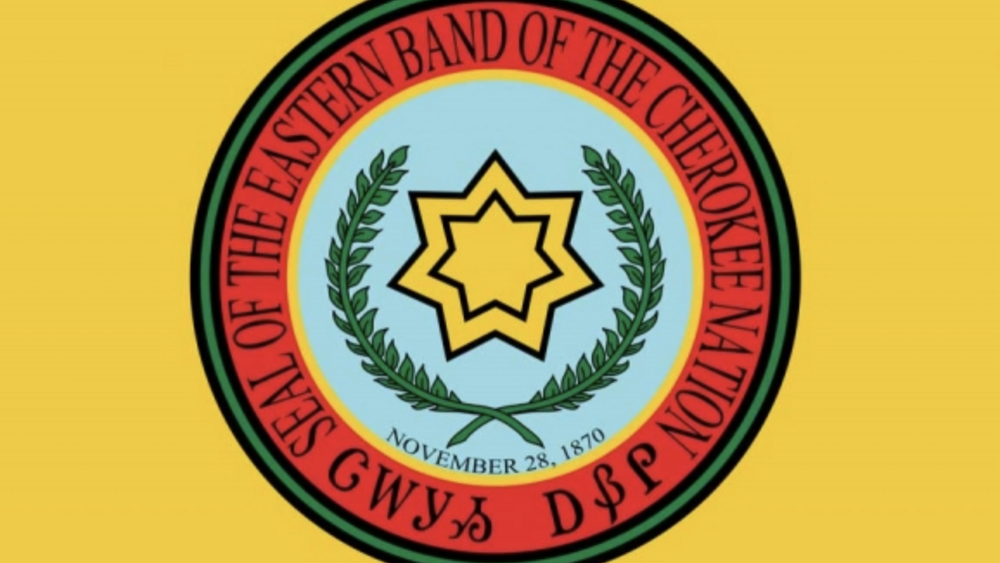
Constitution proposed for Cherokee
Cherokee voters will have the chance to give their nation a long-awaited constitution if Tribal Council approves a referendum question proposed for the September ballot. “Right now we don’t have a constitution. We have a charter, and a charter is for an organization, a corporation or…

What Makes Someone American Indian?
Who is Native American? It's a complicated question that has tripped up, among others, Massachusetts Senator Elizabeth Warren. The Democratic presidential hopeful recently apologized for identifying American Indian as her race more than 30 years ago. It was around that time that the U.S. census saw…
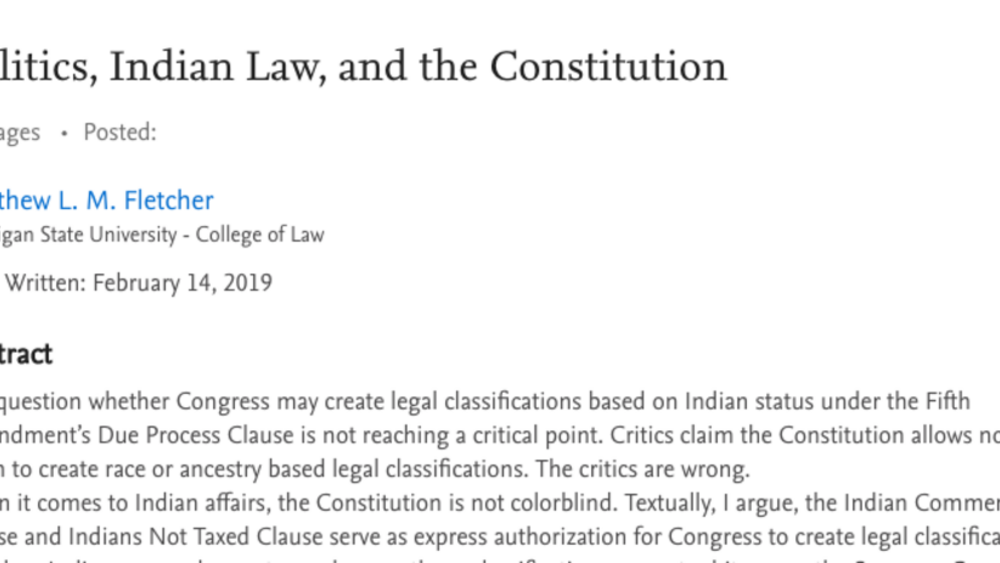
Politics, Indian Law, and the Constitution
The question whether Congress may create legal classifications based on Indian status under the Fifth Amendment’s Due Process Clause is not reaching a critical point. Critics claim the Constitution allows no room to create race or ancestry based legal classifications. The critics are wrong. When it…
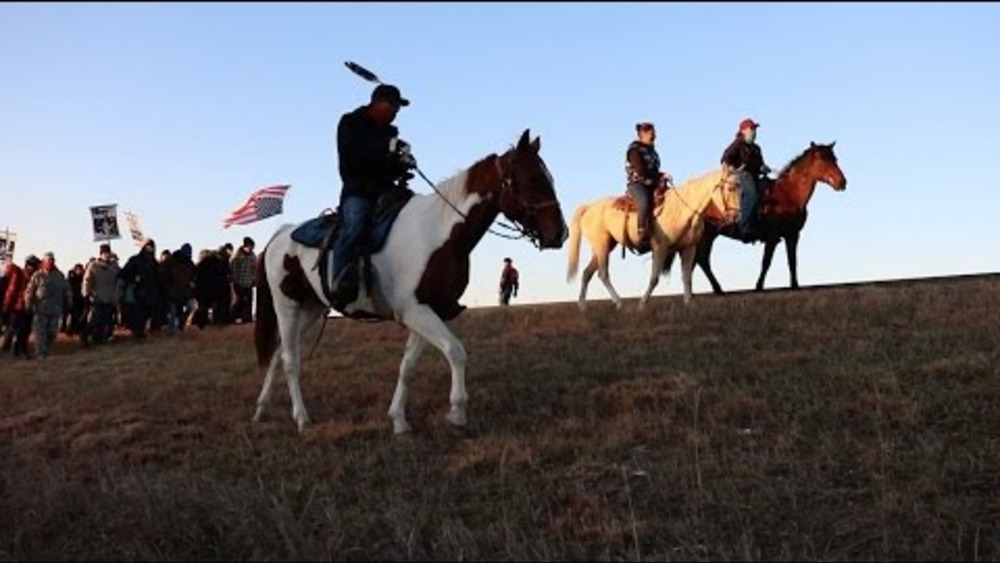
Water is Life video series Part 3 Mni Wiconi
The Native Nations Institute produced a three-part educational video series called, “Water is Life." The video series brings a Native nation building perspective to the conflict over the Dakota Access Pipeline and features interviews with LaDonna Brave Bull Allard, former tribal historic…

Good Data Practices for Indigenous Data Sovereignty
Indigenous Data Sovereignty (IDS) and Indigenous Data Governance are Indigenous-led movements and practices through which Indigenous peoples are setting their own visions for good data regarding data generated and collected by and about them. IDS movements and practices can be seen as a…
Water is Life video series Part 2 Oceti Sakowin
The Native Nations Institute produced a three-part educational video series called, “Water is Life." The video series brings a Native nation building perspective to the conflict over the Dakota Access Pipeline and features interviews with LaDonna Brave Bull Allard, former tribal historic…
Water is Life video series Part 1 The Lakota and Dakota People
The Native Nations Institute produced a three-part educational video series called, “Water is Life." The video series brings a Native nation building perspective to the conflict over the Dakota Access Pipeline and features interviews with LaDonna Brave Bull Allard, former tribal historic…
Herminia Frias: Native Women in Governance
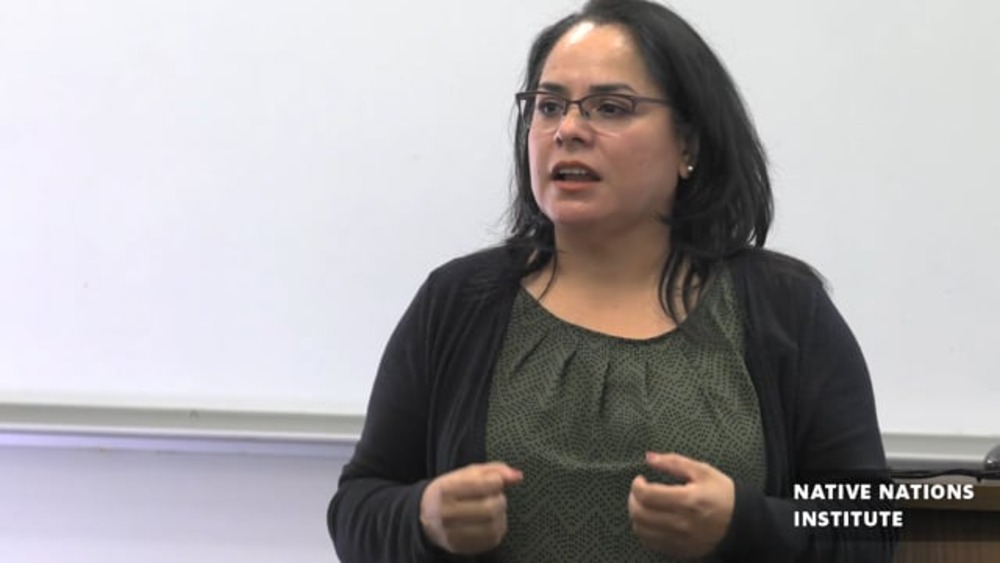
Herminia “Minnie” Frias, Councilwoman, Pascua Yaqui Tribal Council. Councilwoman Frias shares her journey of being a Native woman leader, drawing from her experience in serving on her Nation’s Tribal Council both as a Chairwoman, and as a Council Member. Frias was the youngest person and first…
Shannon Keller O'Loughlin: Native Women in Governance
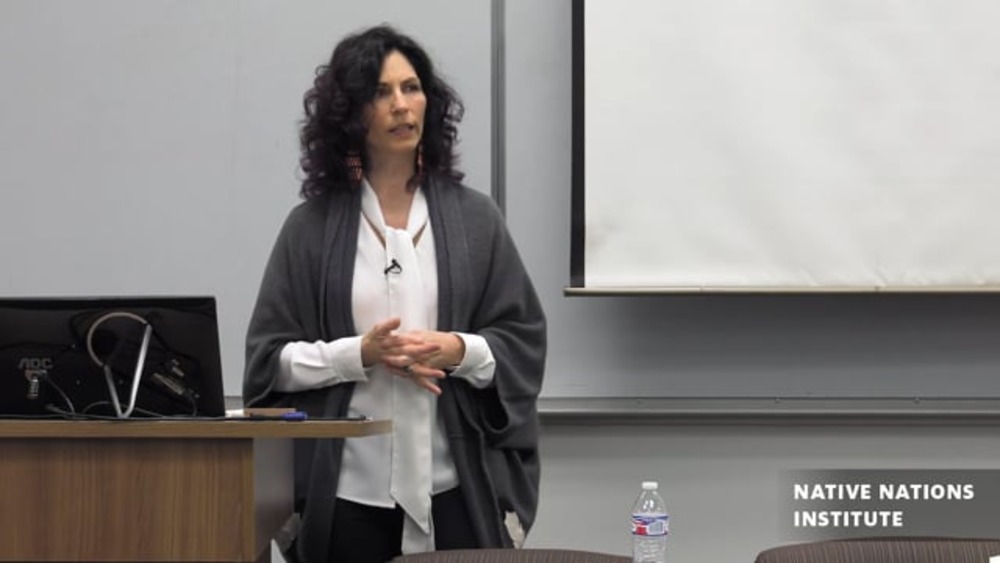
Shannon Keller O'Loughlin, Choctaw Nation of Oklahoma, is an attorney and the Executive Director of the Association on American Indian Affairs. Shannon was also the former Chief of Staff, National Indian Gaming Commission, a member of President Obama’s NAGPRA Review Committee, and a Cultural…
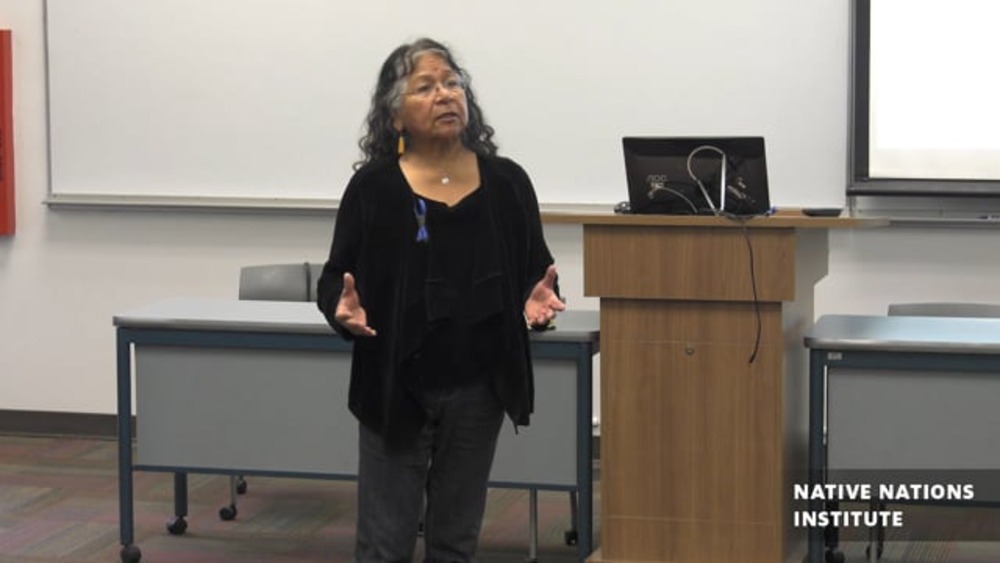
Diane Enos: Native Women in Governance
Diane Enos, Attorney, Councilwoman & Former President of Salt River Pima-Maricopa Indian Community. In addition to her tenure with the Salt River Pima – Maricopa Indian Community, Diane has served as Vice President of the Inter-Tribal Council of Arizona, as Chairwoman of the Arizona Indian…

Ongoing growth in the number of Indigenous Australians in business
In 2014, Boyd Hunter attempted to provide a consistent estimate of the growth in Indigenous self-employment between 1991 and 2011. Changes in the census questionnaire structure and sequencing means that projecting the growth trends back to 1991 is now problematic. This paper provides a more refined…
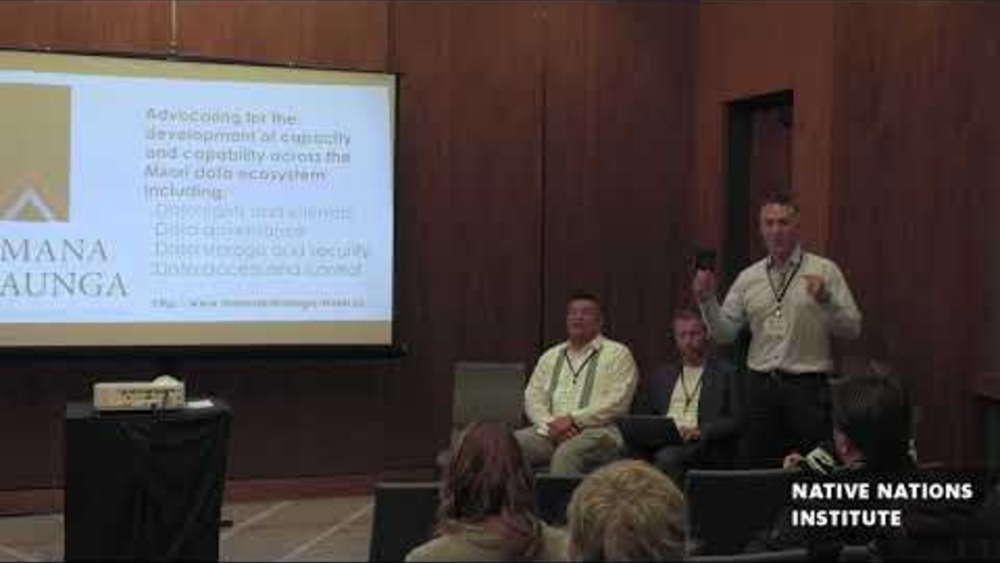
Indigenous Data Sovereignty: Global Progression
On May 18, 2018 at the Native American and Indigenous Studies Association (NAISA) Conference in Los Angeles, six leading scholars discussed the landscape and global opportunities and challenges Indigenous peoples face in the growing Indigenous data sovereignty movement. The presentations…
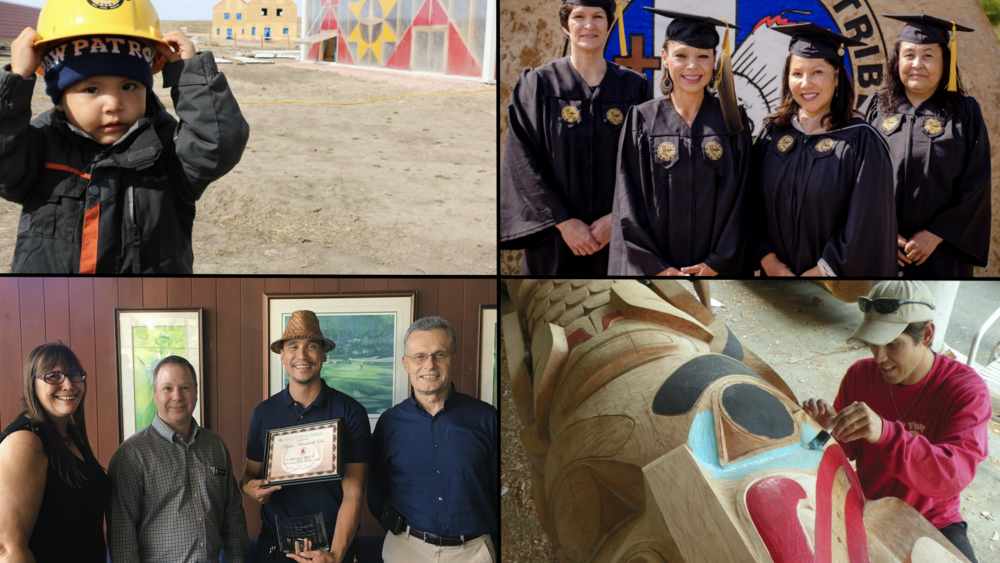
Tribal Workforce Development: A Decision-Framing Toolkit
This toolkit shares the main findings of NCAI’s multi-year research project examining the innovative approaches to workforce development that tribal nations along with Native organizations and tribal colleges and universities are forging, how they are achieving success (as they define it), and why…
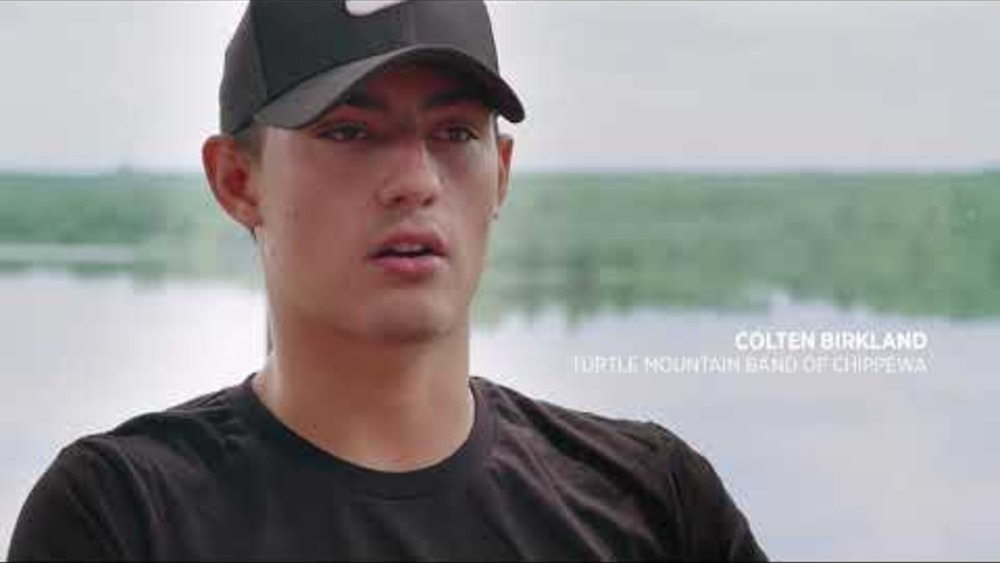
Rebuilding Nations: The Next Generation
Turtle Mountain Ojibwe youth from North Dakota tell the story of their Tribe’s history and the importance of cultural revitalization today. Produced in partnership with Twin Cities PBS and producer/director Missy Whiteman. Special thanks to Dr. Twyla Baker, Alexis Davis, Colten Birkland, and Eddie…
Native Treaties: Making Relations
Historically, intertribal relationships helped to maintain diplomacy and peace prior to the existence of the United States government. How can Native nations’ ethical and cultural values aid in today’s political climate? Produced in partnership with Twin Cities PBS and producer/director Missy…
Native Civics: Commitment to Community
Native nations are building a future for their communities with the foundation of tribal knowledge and alliances. Civic engagement is both an individual and collective effort. Produced in partnership with Twin Cities PBS and producer/director Missy Whiteman. Special thanks to Dr. Twyla Baker and…
Sovereign Nations: Giving Visibility
Tribal nations have always had formal ways of self-governing. Take a closer look at local Tribes exercising their inherent rights to land, culture, and self-governance in a contemporary context. Produced in partnership with TPT-Twin Cities PBS and producer/director Missy Whiteman. Special thanks to…
Characteristics of Indigenous primary health care service delivery models: a systematic scoping review
Indigenous populations have poorer health outcomes compared to their non-Indigenous counterparts. The evolution of Indigenous primary health care services arose from mainstream health services being unable to adequately meet the needs of Indigenous communities and Indigenous peoples often being…
Preparing for the health impacts of climate change in Indigenous communities: The role of community-based adaptation
Climate change presents substantial risks to the health of Indigenous peoples. Research is needed to inform health policy and practice for managing risks, with community based adaptation (CBA) emerging as one approach to conducting research to support such efforts. Few, if any, studies however…
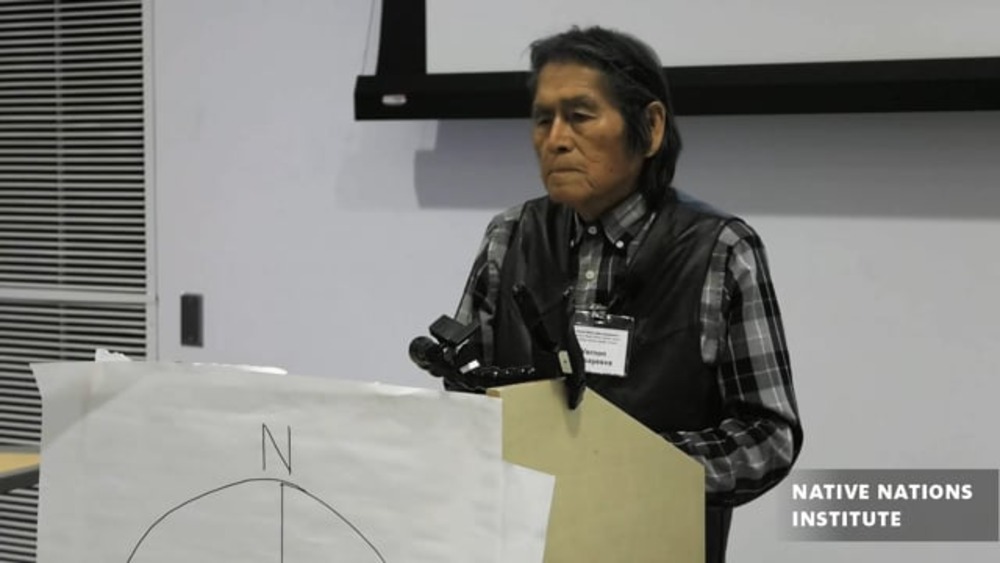
Vernon Masayesva Keynote: Water Ethics Symposium
Vernon Masayesva (Hopi) is the Executive Director of Black Mesa Trust and leading advocate for protecting water resources for the Hopi Nation. He's a Hopi Leader of the Coyote Clan and former Chairman of the Hopi Tribal Council from the village of Hotevilla who has worked for decades…