
Indigenous Governance Database
Governance
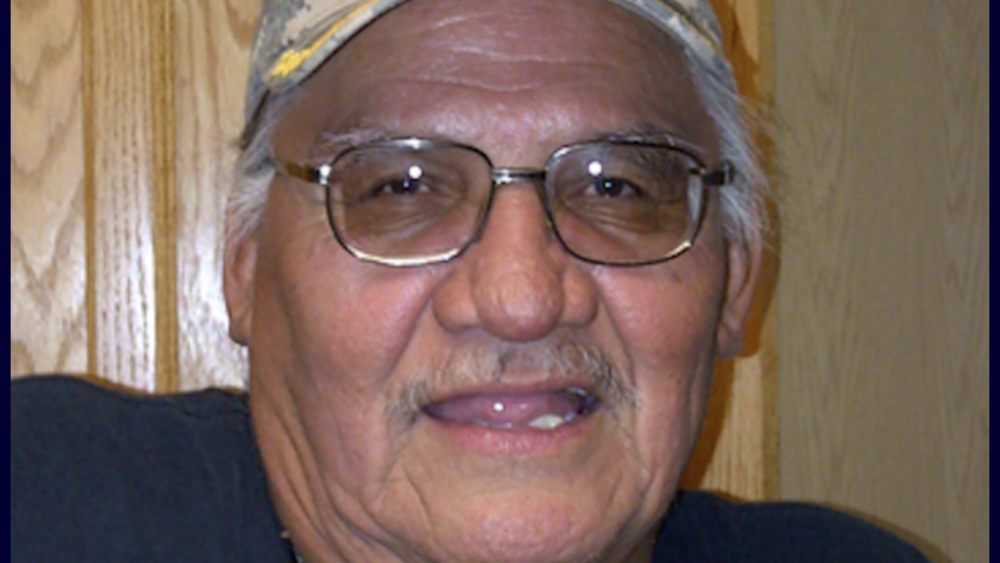
Indian Country must put more effort in public relations
While sipping my morning coffee I began reading a White House document titled “2014 Native Youth Report.” As with every other tribal member, I am aware of the long-standing socio-economic quagmire we have been enduring. The fact that we are still alive and well is short of miraculous and thought…

The Unintended Consequences of Disenrollment
For most of the modern tribal self-determination era, American Indian nations have emphasized inclusion. Starting in the early 1970s, higher tribal membership numbers equated to higher federal self-determination dollars. As tribes otherwise redoubled their efforts to reverse the destruction caused…

Northern Cheyenne Tribe starts business arm
How can a dent be put into the 72% unemployment rate on the Northern Cheyenne Reservation? One solution is business development, particularly tribal enterprise. Not a new concept because the Northern Cheyenne Tribe has established, owned and operated several businesses over the years gaining a…

BIA Head Kevin Washburn Speaks to ICTMN About NCAI, Federal Recognition and More
ICTMN's panel consisted of Ray Halbritter, Publisher; Gale Courey Toensing, staff reporter as moderator; Ray Cook, Opinions Editor; Valerie Taliman, West Coast Editor; and Simon Moya-Smith, Correspondent. All participants asked questions at various points in the conversation (photographer Cliff…
Cass Board, Leech Lake Tribal Council highlight cooperative efforts
The cooperation and partnerships between Cass County and the Leech Lake Band of Ojibwe in recent years have not only been successful but apparently are highly unusual, both state- and nationwide. Time and again at the April 24 joint meeting of the county board and tribal council, at Northern Lights…
People Belong to the Land; Land Doesn't Belong to the People
The United Nations Declaration on the Rights of Indigenous Peoples (UNDRIP) does not recognize the right of indigenous nations to own land outside the laws and rules of national governments. According to international historical doctrines of discovery, Indigenous Peoples, non-Christian nations,…

Challenges and Solutions to Keeping the Lakota Language Alive
“There is more to an immersion school than simply bringing in elders and having them teach the children,” said Sunshine Carlow, education manager of Lakȟól'iyapi Wahóȟpi, the Lakota Nest Immersion School on the Standing Rock Reservation in South Dakota...

BIA Head Kevin Washburn Speaks to ICTMN About Bay Mills and the Need to Resolve Water Rights
Interior Secretary — Indian Affairs Kevin K. Washburn was in New York City in September as the historic Peoples’ Climate March and the United Nations General Assembly opened its 69th regular session with the first World Conference on Indigenous Peoples, where he added to our excitement here at…
Strengthening the role of Native CDFIs: A conversation with Gerald Sherman of the Native CDFI Network
Roughly 8 percent of the 917 community development financial institutions (CDFIs) in the U.S. are categorized as Native CDFIs (NCDFIs), which means they serve primarily American Indian, Alaska Native, or Native Hawaiian communities. Due to a mixture of historical, political, and geographical…
Disenrollment Is a Tool of the Colonizers
Our elders and spiritual leaders do not teach the practice of disenrollment. In fact, disenrollment is a wholly non-Indian construct. Indeed, when I recently asked Eric Bernando, a Grand Ronde descendant of his tribe’s Treaty Chief and fluent Chinook Wawa speaker, if there was a Chinook Wawa word…
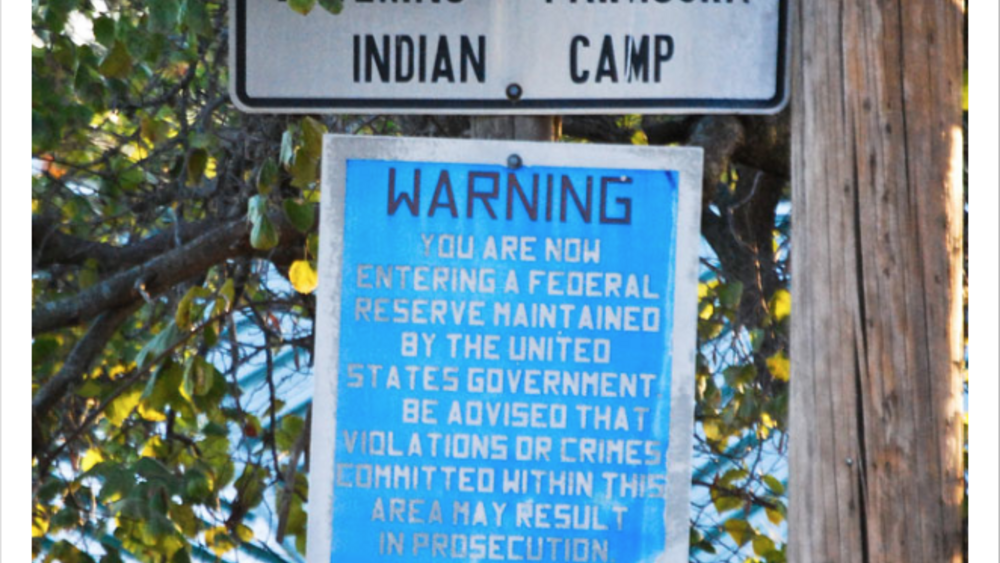
ON Congress passes five-year banishment bill targeting convicted drug dealers
Dangerous drug dealers convicted in the Osage Nation tribal court system are now subject to a mandatory minimum five-year banishment from the Nation’s jurisdiction. The Fourth ON Congress passed a bill (ONCA 15-31 sponsored by Congressman RJ Walker) on April 20 with a 7-4 vote putting the five to…

Blue Lake Rancheria's Bold Action on the Climate Front Pays Dividends
Nestled in Northern California’s Mad River Valley between the coastal mountains and the Pacific Ocean, the Blue Lake Rancheria is bordered by great forests and the California Redwood trees. It’s a sacred and hard-won swath of land for the Tribe that calls it home, and preserving it for future…
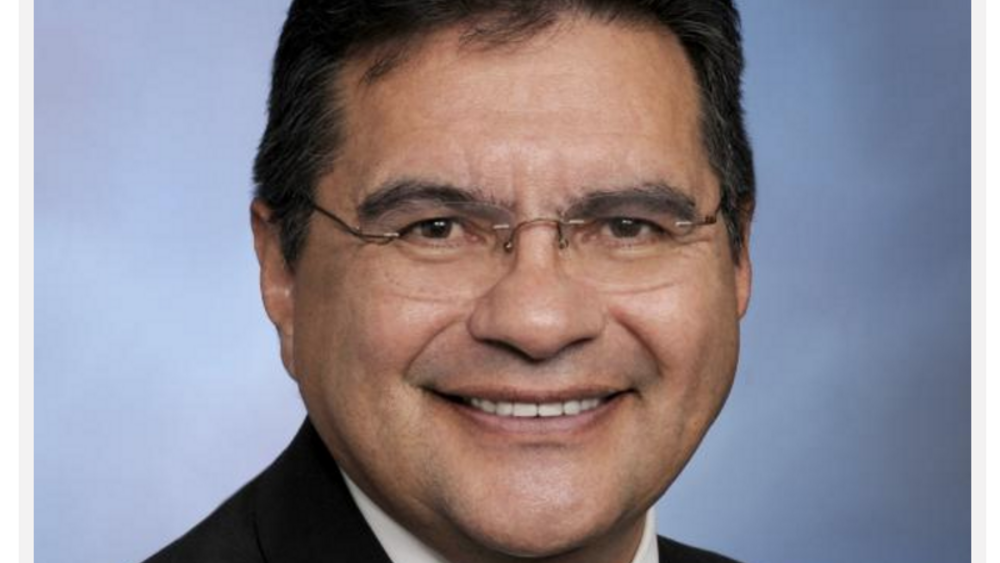
Meeting Economic Development Challenge in Indian Country
Native American communities have taken great strides in developing their economies and raising the quality of life on tribal lands. However, as President Obama noted during his historic visit to Indian country in June, there are still wide disparities between Native Americans and the overall U.S.…
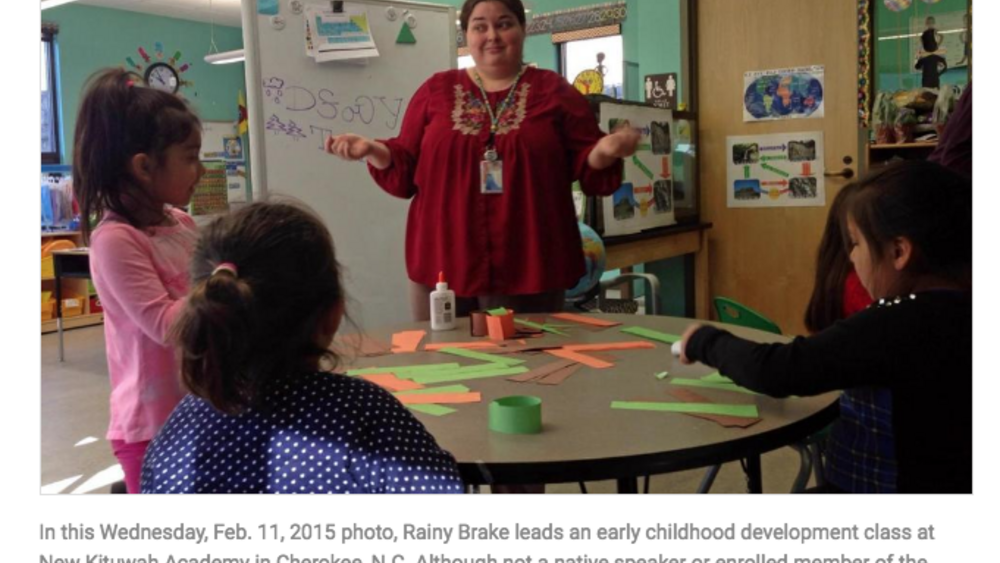
Hopes of preserving Cherokee language rest with children
Kevin Tafoya grew up hearing Cherokee all around him – his mother, a grandmother and grandfather, aunts and an uncle all spoke the language that now is teetering on the edge of extinction. Yet his mother purposely didn’t teach him. “She told us she had a hard time in school transitioning from…
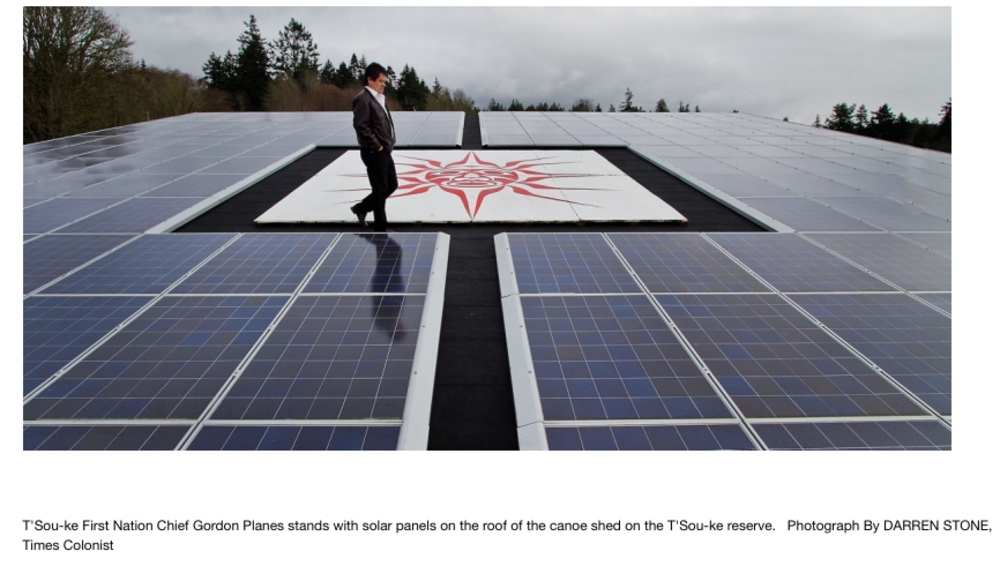
Island First Nation grasps potential of alternative power
While oil pipeline debates, anti-fracking protests and increasing fossil fuel demands embroil the country from coast to coast, a small Vancouver Island First Nation is leading the way on a different path. In the past five years, the seaside T’Sou-ke nation has become a world-renowned leader in…

Northern California Tribe Harnesses Sun and Wind for Renewable Energy System
It’s sunny and windy on the northern coast of California. So why not put these elements to good use to help power a reservation, expand energy independence and reduce the carbon footprint? That’s the thinking behind the decision by the 577-member Bear River Band of the Rohnerville Rancheria to…
For Michigan tribe, climate action a 'sacred responsibility'
Though recognized just last week by the White House, the Sault Ste. Marie Tribe of Chippewa Indians has been active in climate change mitigation and adaptation since the “beginning of time.” “The things we do for economic and cultural resilience are the same things we do for climate resilience,”…
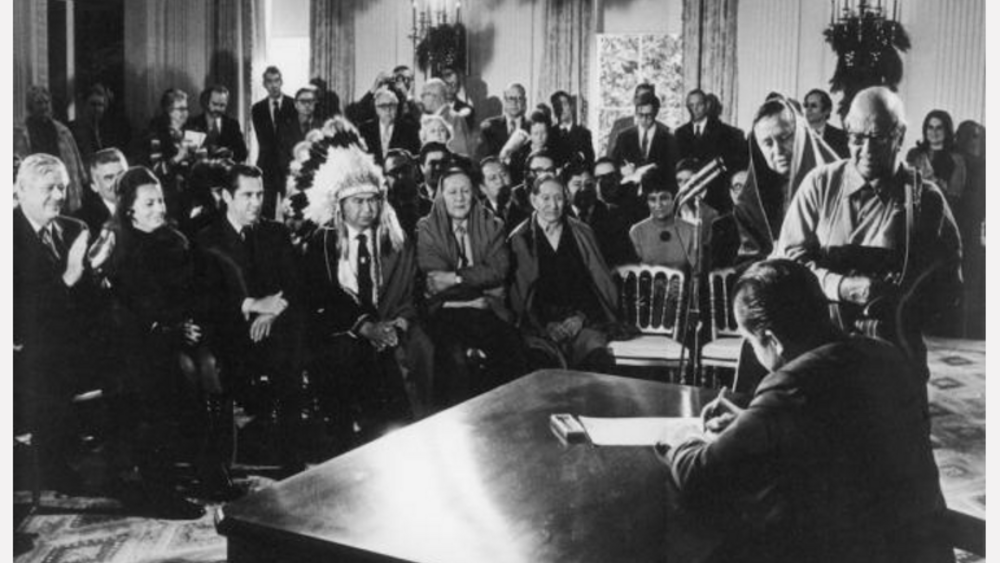
What Is Indigenous Self-Determination and When Does it Apply?
Self-determination is an expression often used in discussion of indigenous goals. However, the meaning of self-determination varies among Indigenous Peoples, scholars, international documents, and nation states. The most common meaning of self-determination suggests that peoples with common…

Tribes Get $6 Million in Federal Funds for Energy Efficiency Project
Eleven tribal communities are receiving a total of $6 million toward renewable energy projects and technologies, the U.S. Department of Energy (DOE) announced. It is part of President Barack Obama’s ongoing initiative to help tribal nations and Alaska Native villages reduce fossil fuel use, save…

Oglala Sioux Tribe to issue IDs at tournament
For the first time in its history the Oglala Sioux Tribe will bring its enrollment office to the public. During this year’s Lakota Nation Invitational in Rapid City the tribe will have a booth set up to issue tribal IDs to enrolled members who may not have the opportunity to travel to Pine Ridge…