
Indigenous Governance Database
Economic and Community Development
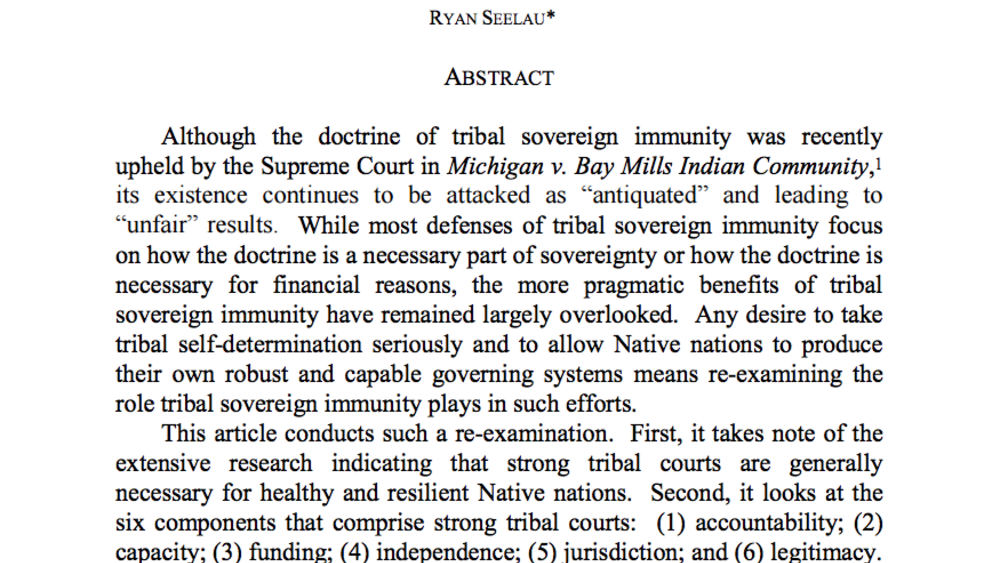
In Defense of Tribal Sovereign Immunity: A Pragmatic Look at the Doctrine as a Tool for Strengthening Tribal Courts
Although the doctrine of tribal sovereign immunity was recently upheld by the Supreme Court in Michigan v. Bay Mills Indian Community, its existence continues to be attacked as antiquated and leading to unfair results. While most defenses of tribal sovereign immunity focus on how the doctrine is a…
Tribal Nations and the United States: An Introduction
Tens of millions of Indigenous peoples inhabited North America, and governed their complex societies, long before European governments sent explorers to seize lands and resources from the continent and its inhabitants. These foreign European governments interacted with tribes in diplomacy, commerce…
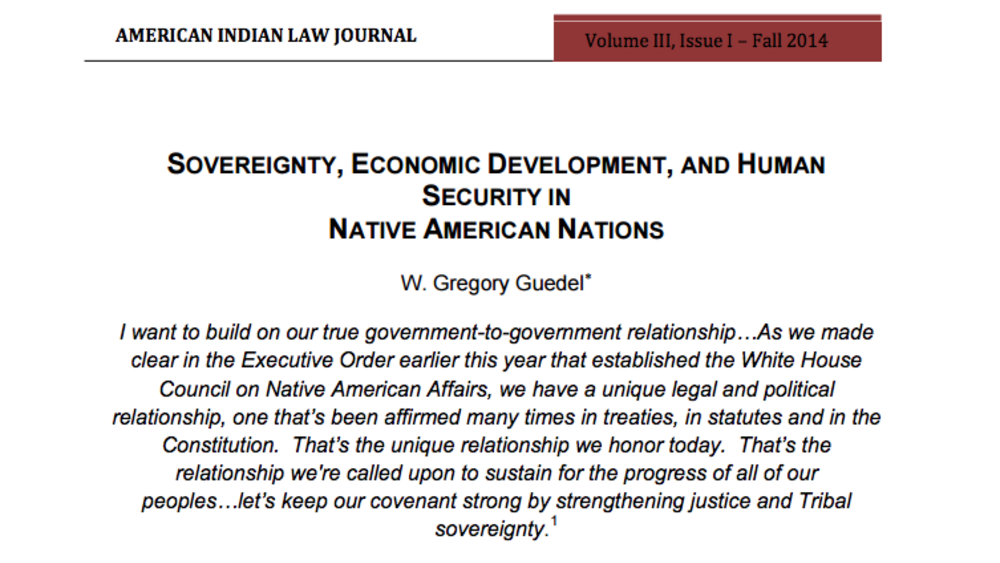
Sovereignty, Economic Development, and Human Security in Native American Nations
This study explores elements of the sovereignty dynamic in the government-to-government relationship between the United States and Native American nations to assess 1) what benefits Tribal communities glean from this unique relationship; and 2) whether enhanced Tribal sovereignty can enhance…
Traditional Governance: A Case Study of the Osoyoos Indian Band and Application of Okanagan Leadership Principles
There are traditional Okanagan governance and leadership principles and guidelines that have been informed through language terms and traditional stories. These have been interpreted and taught to us by our elders of the Okanagan Nation. Five principles of traditional Okanagan leadership will be…
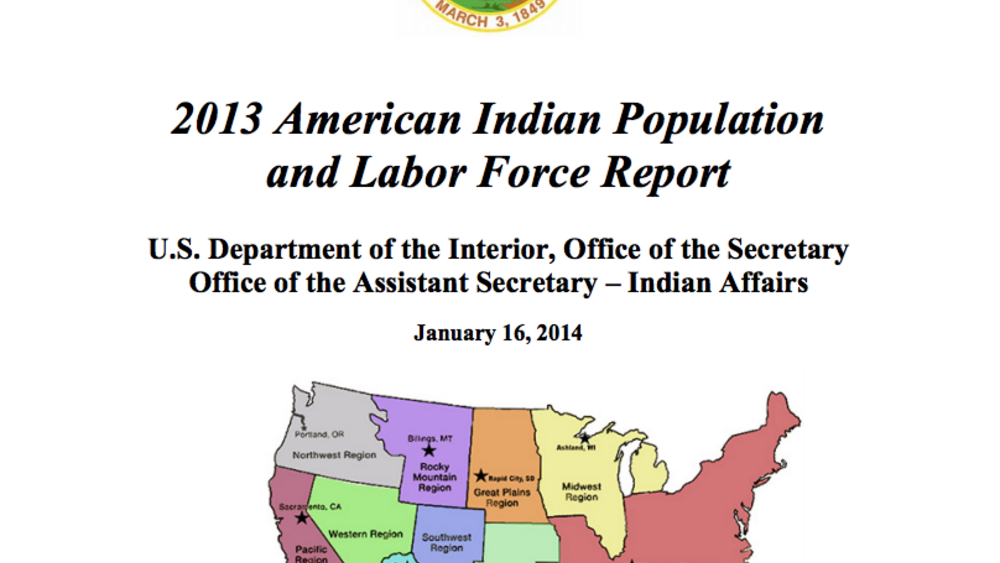
2013 American Indian Population and Labor Force Report
This report presents findings from the 2010 Labor Force Survey of American Indians and Alaska Natives, combined with a larger set of publically available statistics produced by the U.S. Census Bureau. This report is prepared in accordance with Public Law 102-477 the Indian Employment, Training, and…
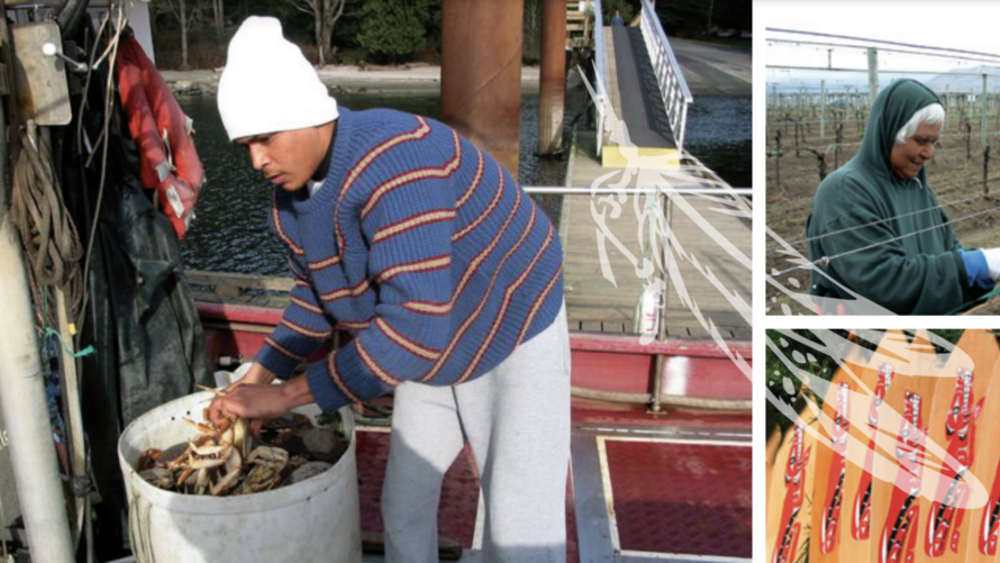
Journey to Economic Independence: B.C. First Nations' Perspectives
There are two approaches to economic development being pursued by the participant First Nations. One is creation of an economy through support for local entrepreneurs and the development of their individual enterprises (i.e. Westbank First Nation). The other is creation of an economy through…
Managing Land, Governing for the Future: Finding the Path Forward for Membertou
This in-depth, interview-based study was commissioned by Membertou Chief and Council and the Membertou Governance Committee, and funded by the Atlantic Aboriginal Economic Development Integrated Research Program to investigate methods by which Membertou First Nation can further increase its…
A Restatement of the Common Law of the Grand Traverse Band of Ottawa and Chippewa Indians
From 1872 until 1980 the United States government continually refused to recognize the sovereign status of the Grand Traverse Band of Ottawa and Chippewa Indians (GTB). For example, citizens of the Grand Traverse Band unsuccessfully attempted to regain this government-to-government relationship in…
The situation of indigenous peoples in the United States of America
In this report, the United Nations Special Rapporteur on the rights of indigenous peoples examines the human rights situation of indigenous peoples in the United States, on the basis of research and information gathered, including during a visit to the country from 23 April to 4 May 2012. During…
Creating a Climate of Support for Aboriginal Entrepreneurs
Three First Nations communities formed a partnership with SFU to investigate ways to create a supportive environment for Aboriginal entrepreneurs. This project followed the Western Diversification/Simon Fraser University study (2001) on the information and service needs of Aboriginal entrepreneurs…

Aboriginal Youth Entrepreneurship: Success Factors and Challenges
Aboriginal people (First Nations, Métis and Inuit) and their communities in the north face many obstacles and challenges. There are, however, tremendous opportunities to promote and enhance Aboriginal participation in the economy. Aboriginal youth entrepreneurs are key to building a healthy…
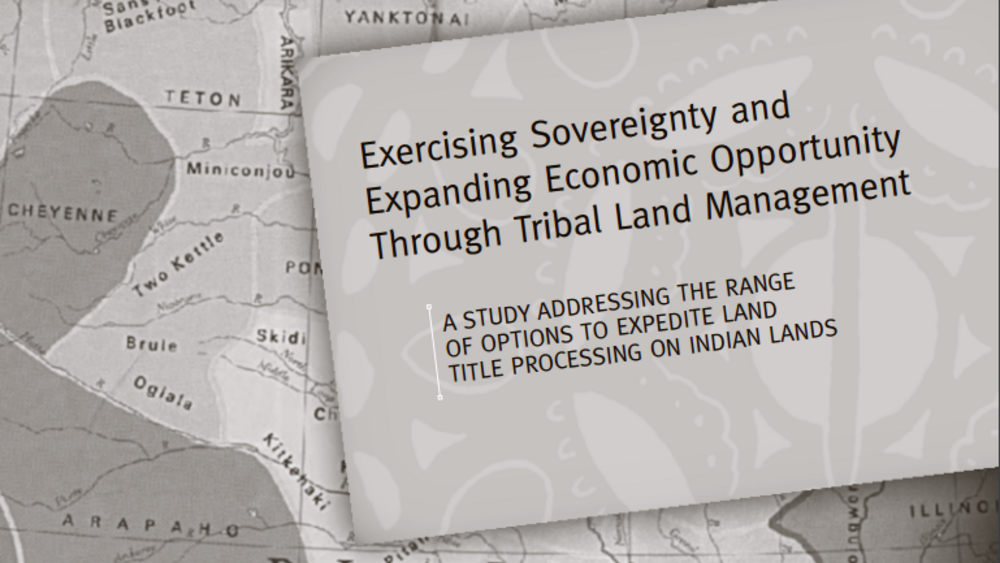
Exercising Sovereignty and Expanding Economic Opportunity Through Tribal Land Management
While the United States faces one of the most significant housing crises in the nation’s history, many forget that Indian housing has been in crisis for generations. This report seeks to take some important steps toward a future where safe, affordable, and decent housing is available to Native…
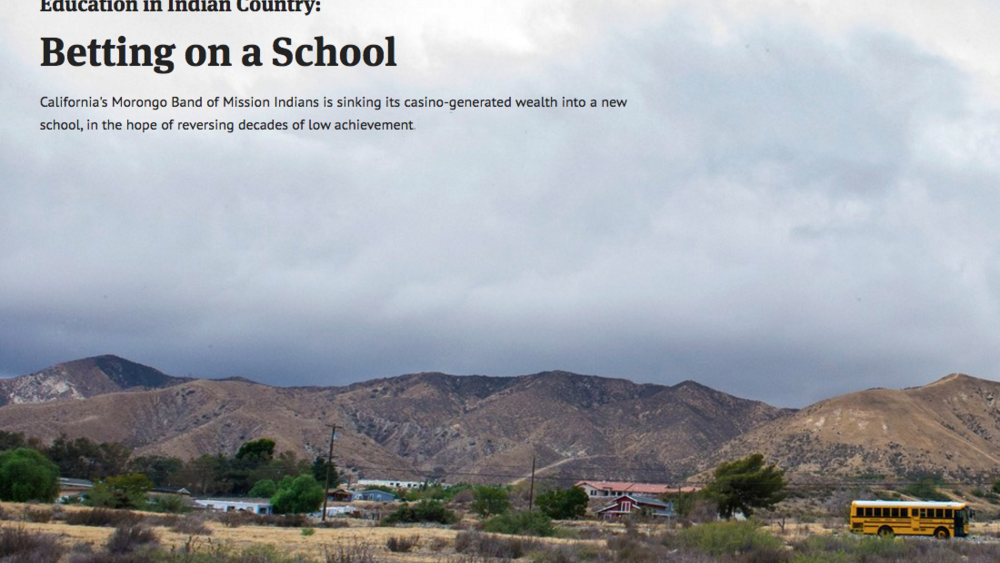
Betting on a School
Ninety miles east of downtown Los Angeles in the San Bernardino Mountains, a school for Native American children peers down onto its main benefactor, a glittering, Las Vegas-style casino and hotel owned and operated by the Morongo Band of Mission Indians. Millions of dollars spent in the casino by…
First Nations Economic Development: The Meadow Lake Tribal Council
A new approach to economic development is emerging among the First Nations in Canada. This approach emphasizes the creation of profitable businesses competing in the global economy. These businesses are expected to help First Nations achieve their broader objectives that include: (i) greater…
Community-Led Development
The purpose of this paper is to explore the concept and practice of community-led development. It is an approach to tackling local problems that is taking hold throughout the world. While its expression may vary depending upon the community and the specific area of focus, there are nonetheless some…
Minding Our Own Businesses: how to create support in First Nations communities for Aboriginal Business
The purpose of the project was to investigate what other First Nations have done to support their small business operators, and to create a process to look at what could be done in your community...

The Economic and Fiscal Impacts of Indian Tribes in Washington
The economies of Washington’s Indian reservations have grown over the last half-decade, and despite some complaints to the contrary, Washington taxpayers have little to fear and much to gain from American Indian economic development. The evidence points to strong net benefits for Indians and non-…
Best Practices Case Study (Expansion of Jurisdiction): White Bear First Nation and SIGA
On March 22, 1993, the provincial government of Saskatchewan sent the RCMP tactical team to shut down the White Bear casino on White Bear First Nation near Carlyle citing criminal code violations. The result was a highly hostile raid where all assets and records were confiscated. "We had every…
Best Practices Case Study (Territorial Integrity): Haida Nation
Haida Gwaii (formerly known as the Queen Charlotte Islands) is an archipelago on the coast of B.C. Haida Gwaii is the pristine home to some of the world's best remaining stands of cedar, hemlock and Sitka spruce. In 1974, controversy began over logging permits being issued in Haida Gwaii. Haida…
Best Practices Case Study (Economic Realization): Hupacasath First Nation
When Hupacasath Chief Judith Sayers and the council decided to harness the power running through their lands, the result was a best practices model of how to build a small hydro project. Widespread opposition to the Duke Point natural gas facility in the late '90s was the impetus for the council to…