
Indigenous Governance Database
Governance
The wisdom of our tribal elders
A centerpiece of our Chumash culture is that tribal elders should be admired and honored for the knowledge and experiences they've gathered over their lifetimes. Our elders, and the ones before them, have endured so much for us to stay together as a tribe. For example, our reservation in the…
Yakama Nation Fights For Restored Authority
January 17, 2014 was a big day for the Yakama Nation tribe. On that day, Washington governor Jay Inslee signed a proclamation returning almost all civil and criminal authorities over to tribal members on the eastern Washington reservation. The next step is federal approval before the proclamation…
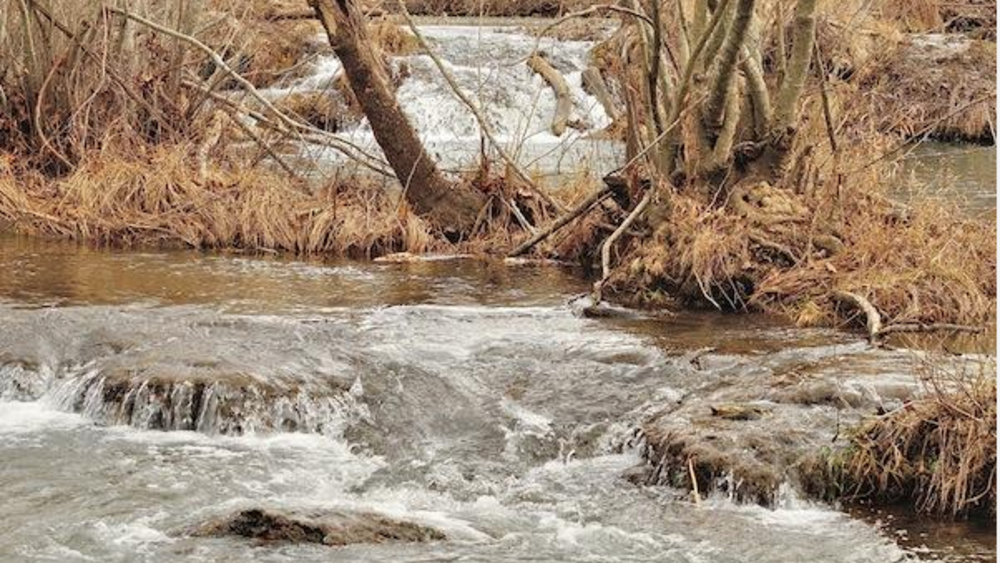
Chickasaw Fishery Saves Endangered Species While Sustaining Fishermen and Tourism
Nothing elevates the hope and heart rate of an angler more than hearing that first predawn “ZWIIINNGGG” of a casting reel as fishing line slices through the early morning air and the lure plops into the water. Whether it’s the first or last day of the season, fishermen hope that is a dinner bell…
Professor Breaks Down Sovereignty and Explains its Significance
Sovereignty is one of those terms we toss around without much thought. It is an important word within contemporary American Indian discussions. The term itself draws from legal, cultural, political, and historical traditions, and these traditions are connected to both European as well as Indigenous…
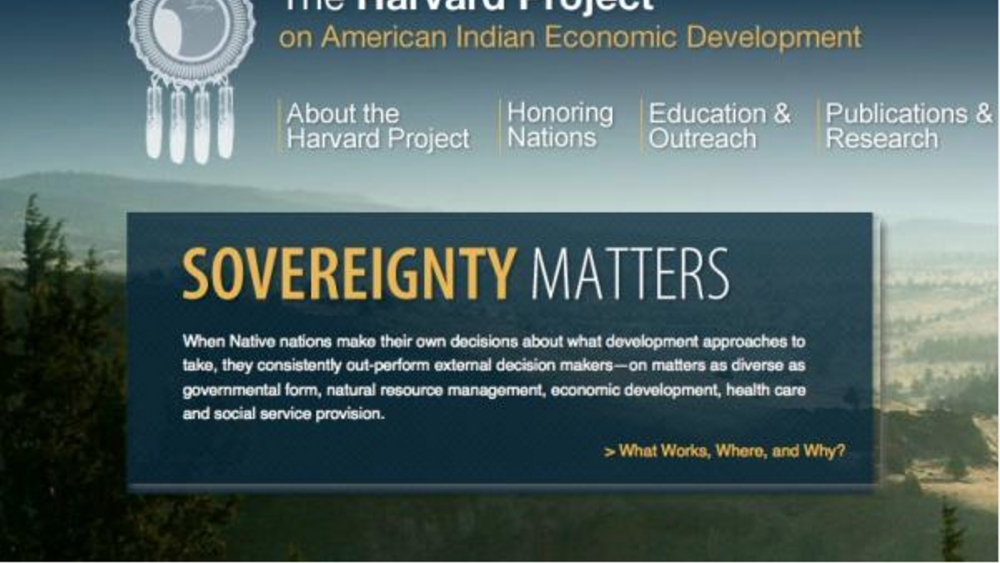
Harvard Project Names 18 Semifinalists for Honoring Nations Awards
The Harvard Project on American Indian Economic Development recognizes exemplary tribal government initiatives and facilitates the sharing of best practices through its Honoring Nations awards program. On March 3, the Harvard Project announced its selection of 18 semi-finalists for the 2014…
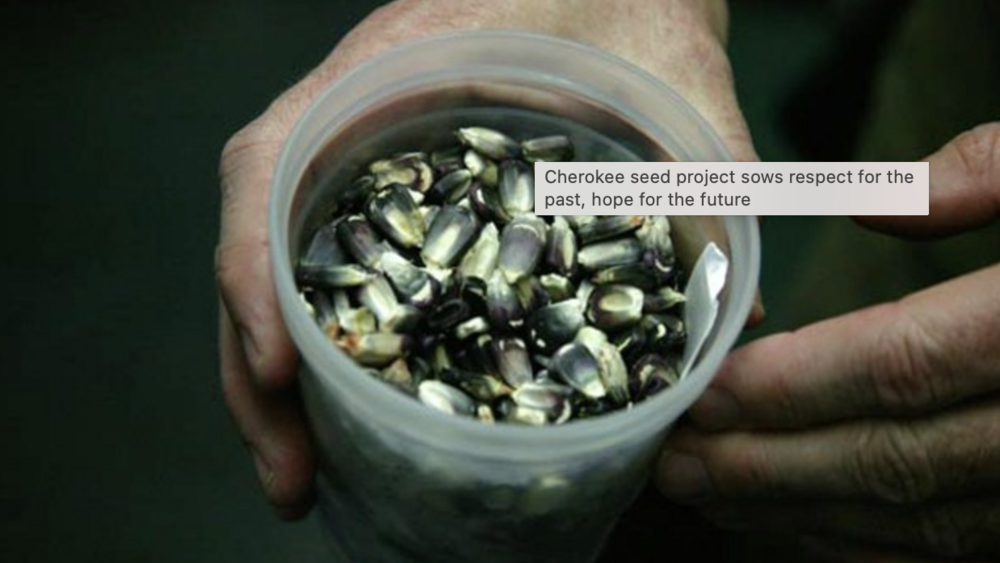
Cherokee seed project sows respect for the past, hope for the future
The Cherokee Indians are preserving the roots of their heritage with a program that allows officially recognized members of the tribe to access seeds that are unique to the Cherokee Nation. Principal Chief of the Cherokee Nation, Bill John Baker explained the seeds' lineage to CNN. "This strain of…
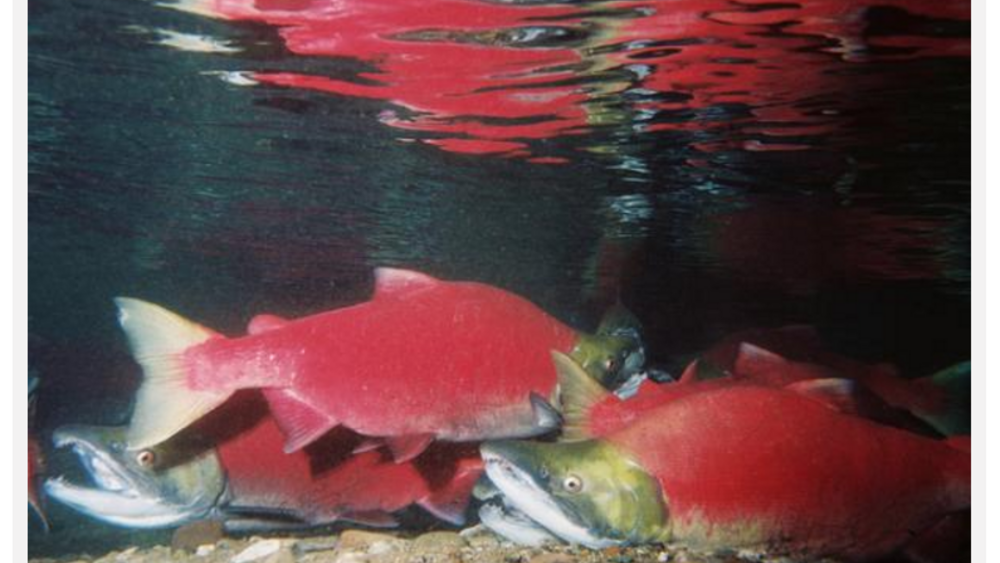
Fisheries Are the Lifeblood of the Nez Perce Economy
The Nez Perce Tribe has the second largest economic impact in North Central Idaho and is the third largest employer in the region. The massive fisheries program which employs upwards of 180 people is a major contributor to those statistics. Fish have always been vital to the tribe. Salmon in…
Pascua Yaqui gain added power to prosecute some non-Indians
Southern Arizona’s Pascua Yaqui Tribe is one of the first Native nations in the country to earn legal standing to prosecute outsiders who attack women on tribal lands. The Pascua Yaquis – along with the Tulalip Tribes of Washington and the Umatilla Tribes of Oregon – have been been awarded special…

Collectively Managing Allotment Lands Is Better
Indian allotment holders are not making enough money from their allotments. One way for tribal allotment holders to gain more economic income from their allotments is to organize a corporation under tribal law and collectively manage allotted lands in order to gain more income for allotment holders…
Cherokee Nation Raises Tribal Minimum Wage, More Than $2 Above Federal
Cherokee Nation Principal Chief Bill John Baker signed an executive order on February 21 raising the Cherokee Nation’s minimum wage to $9.50 over the next two years. The current Cherokee Nation minimum wage stands at $9 per hour, already well above the federal minimum wage of $7.25 per hour...
Back to Our Path is not a Trip Backward
Many of us are familiar with our expression Ohnkwe Ohnwe. It is what we use to describe ourselves as the original people of Turtle Island. The approximate translation is “real human being, forever.” There was never any question that we had a future. We were never tied to a spot on a timeline. We…
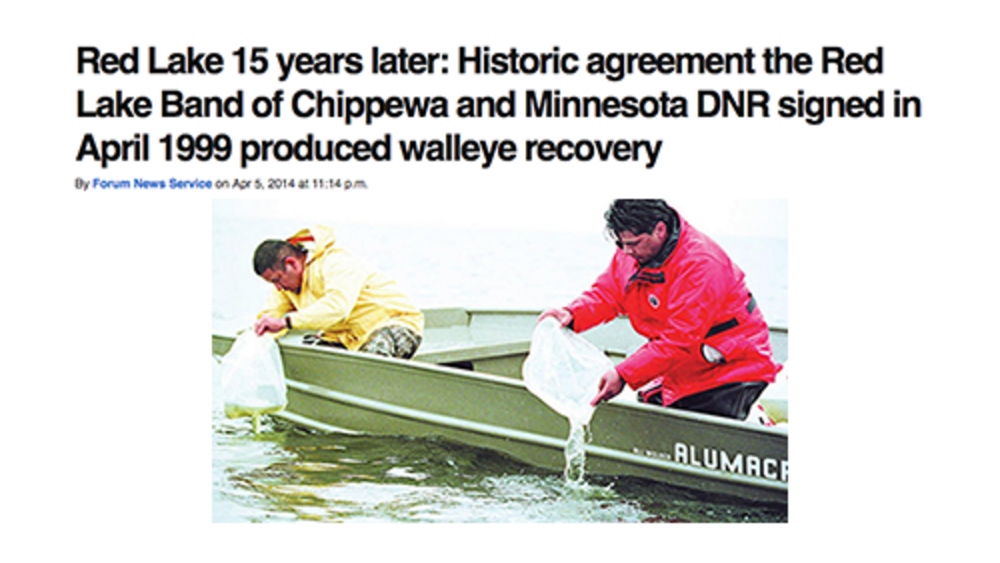
Red Lake 15 years later: Historic agreement the Red Lake Band of Chippewa and Minnesota DNR signed in April 1999 produced walleye recovery
As Al Pemberton recalls, it was about three years after the Red Lake Band of Chippewa and the Minnesota Department of Natural Resources signed an agreement to restore walleye populations in Upper and Lower Red lakes that he saw the true potential for the big lakes’ recovery. The agreement, which…
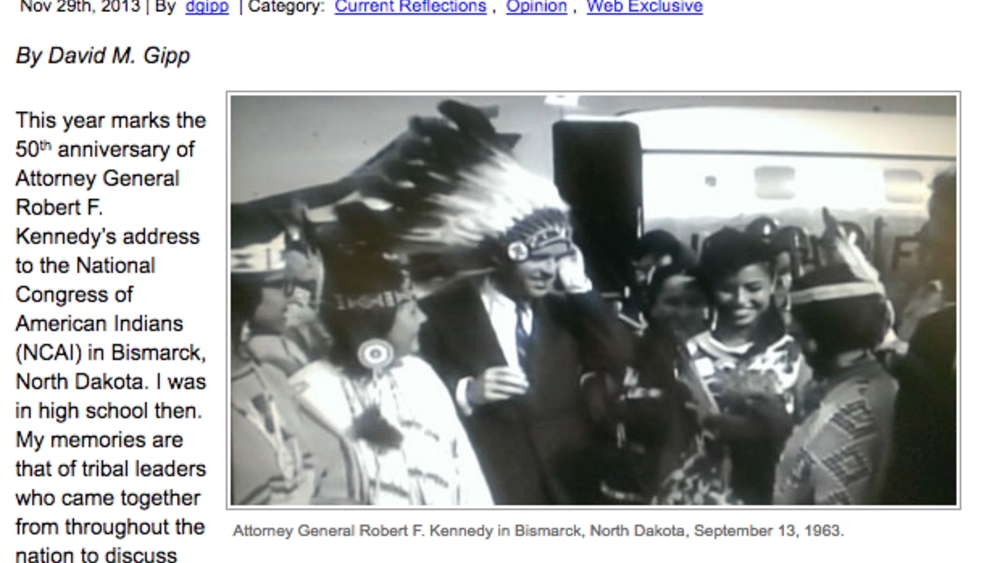
Robert F. Kennedy's Legacy with First Americans
This year marks the 50th anniversary of Attorney General Robert F. Kennedy’s address to the National Congress of American Indians (NCAI) in Bismarck, North Dakota. I was in high school then. My memories are that of tribal leaders who came together from throughout the nation to discuss key issues of…
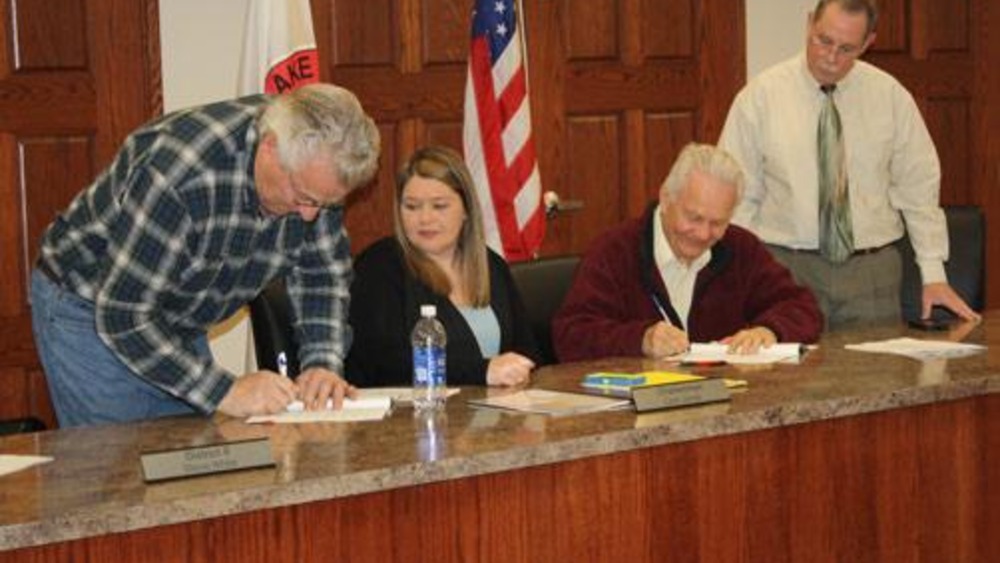
Cass County Board, Leech Lake Tribal Council hold productive joint discussions, first in three-plus years
A wide-ranging conversation between Leech Lake Tribal Council and Cass County Board of Commissioners, held Friday at the new Leech Lake Government Center in Cass Lake, concluded with the signing of a Memorandum of Understanding (MOU) between the two governmental units. The MOU is designed to…
Disenrollment Demands Serious Attention by All Sovereign Nations
For most people, their sense of who they are–their identity–is at least partially defined from connection to others and to a community. When individuals are forced to sever those connections, the consequences can be devastating. Unfortunately, all too often in tribal disenrollment conflicts–like…
Stirring the Ashes
One of the biggest challenges for any people is broad participation in the issues that affect everyone. And when you stop and think about it, there is very little from the smallest ripples in a family to major calamities in a community that occurs without impacting others. The notion of “mind your…
5 More Native American Visionaries in Washington State
As the holidays kick in and people start looking ahead to the coming year, it is only fitting to acknowledge the leaders who will take Indian country into the future. Last month we brought you five Native leaders who are protecting rights, exercising sovereignty, building intercultural bridges and…
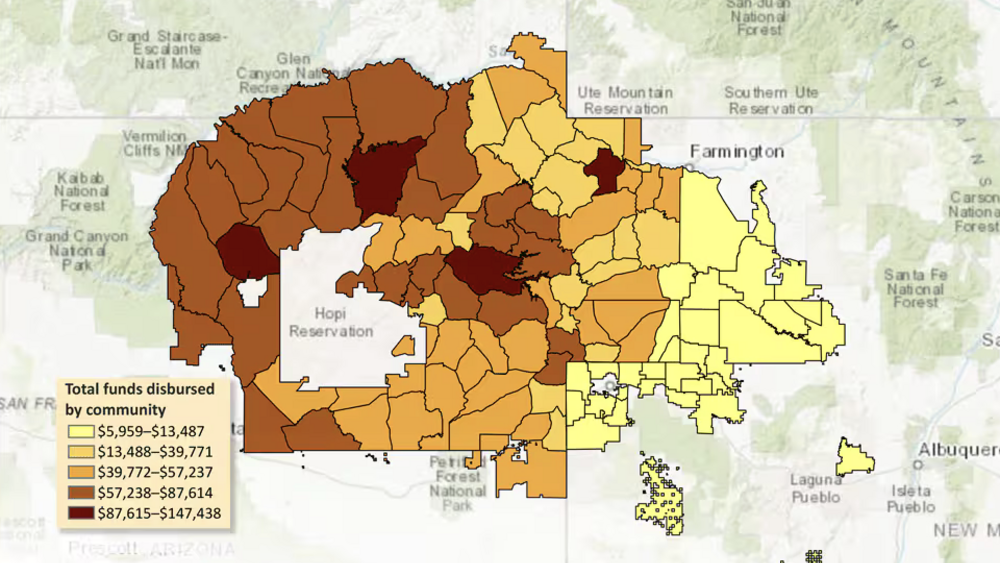
The Navajo Nation Healthy Diné Nation Act: A Two Percent Tax on Foods of Minimal-to-No Nutritious Value, 2015–2019
Our study summarizes tax revenue and disbursements from the Navajo Nation Healthy Diné Nation Act of 2014, which included a 2% tax on foods of minimal-to-no nutritional value (junk food tax), the first in the United States and in any sovereign tribal nation. Since the tax was implemented in 2015,…
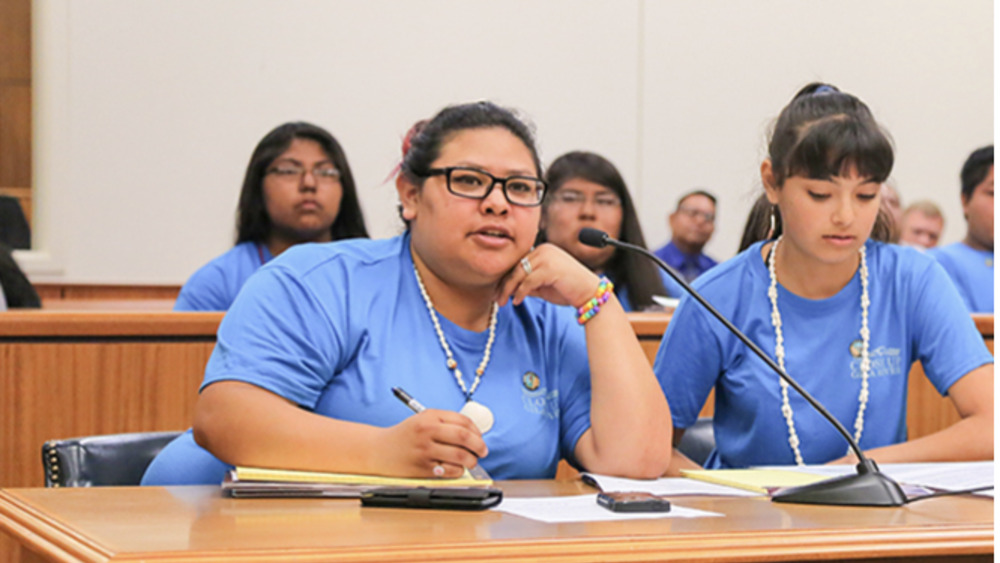
Students Get Hands-On Learning with Gila River Close Up Program
A group of young Community members from various local high schools participated in the Close Up program and received an in-depth view into the world of tribal government. The Close Up program is a yearly endeavor that is designed to give students a thorough lesson on the inner mechanics and…
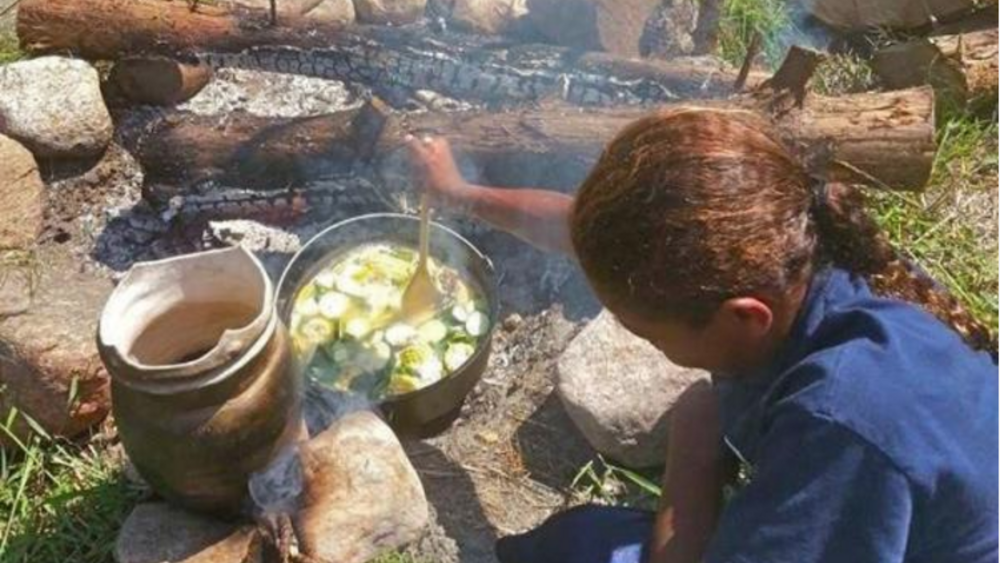
Sleeping Language Waking Up Thanks to Wampanoag Reclamation Project
It’s been more than 300 years since Wampanoag was the primary spoken language in Cape Cod. But, if Wampanoag tribal members keep their current pace, that may not be true for much longer. Tribal members have been signing up for classes with the Wampanoag Language Reclamation Project while families…