
Indigenous Governance Database
IGD Database Search
Tribes reach key milestone with jurisdiction provisions of VAWA
The tribal jurisdiction provisions of the the Violence Against Women Act became effective nationwide on Saturday, clearing the path for non-Indians to be held accountable for abusing their Indian partners. Congress enacted S.47 to recognize tribal authority to arrest, prosecute and punish non-…
Northwest Indian College builds Lummi workforce, values tradition
For thousands of years, along the shorelines of the Salish Sea, the Lummi people have dug deep into the earth to harvest clams, oysters and mussels. We have set our reef nets between our canoes to catch salmon from the Salish Sea. For many of us, our most important education has been alongside our…

Tribes Get $6 Million in Federal Funds for Energy Efficiency Project
Eleven tribal communities are receiving a total of $6 million toward renewable energy projects and technologies, the U.S. Department of Energy (DOE) announced. It is part of President Barack Obama’s ongoing initiative to help tribal nations and Alaska Native villages reduce fossil fuel use, save…

One Native's Enterprising Plan to Keep Tribal Resources Within the Community
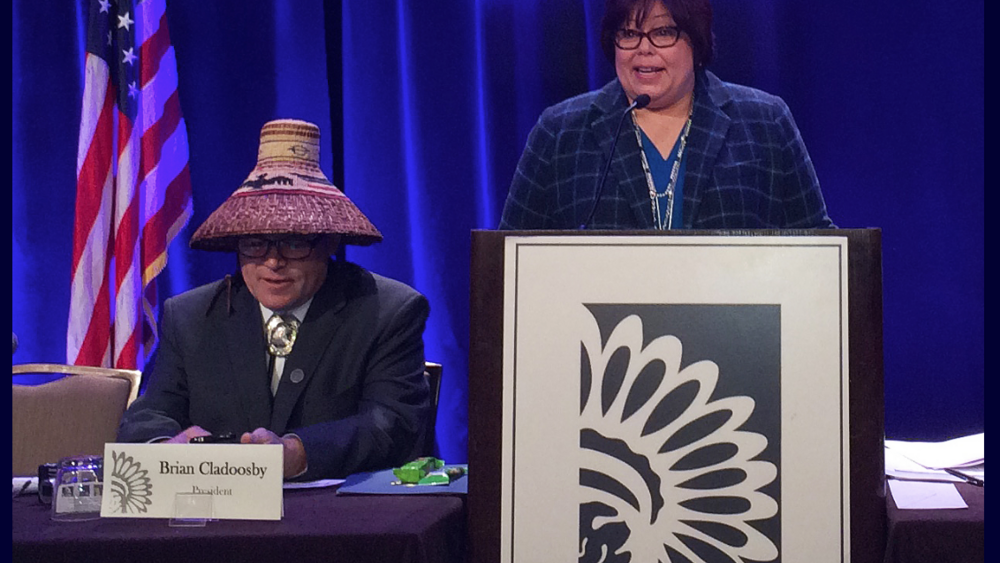
There are nearly a quarter-million Native-owned businesses in the U.S. today, said Brian Cladoosby, president of the National Congress of American Indians, in his 2014 State of Indian Nations address. And if Thomas Carlson has his way, all those businesses would be listed on a new website he…
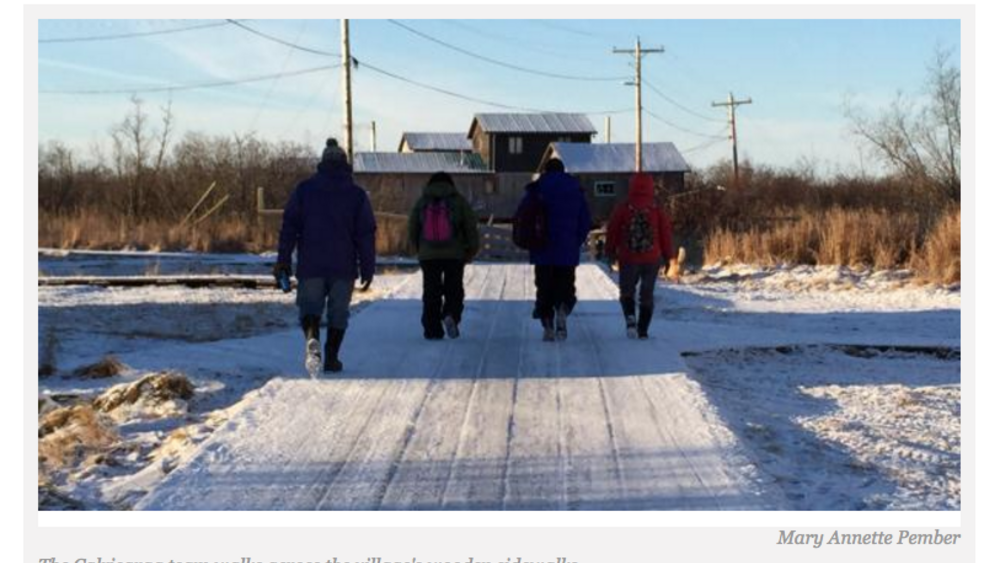
A Fearless Fight Against Historical Trauma, the Yup'ik Way
They were building the young man’s coffin in the front yard when we arrived. Portable construction lights harshly illuminated the scene as men worked in the shadowy dawn that lasts almost until noon out here on the tundra. The men worked steadily and quietly in a manner that suggested front-yard…
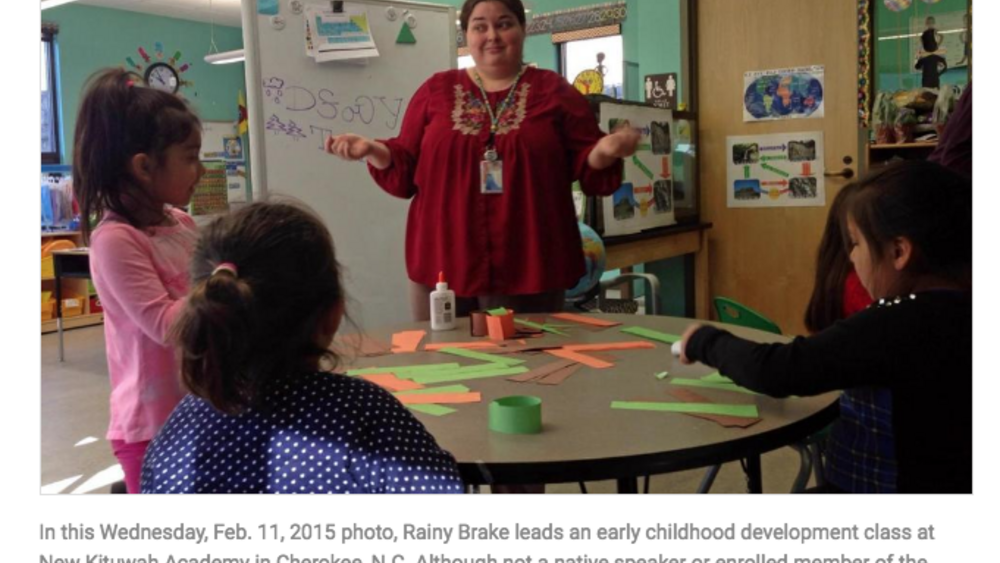
Hopes of preserving Cherokee language rest with children
Kevin Tafoya grew up hearing Cherokee all around him – his mother, a grandmother and grandfather, aunts and an uncle all spoke the language that now is teetering on the edge of extinction. Yet his mother purposely didn’t teach him. “She told us she had a hard time in school transitioning from…
Strengthening the role of Native CDFIs: A conversation with Gerald Sherman of the Native CDFI Network
Roughly 8 percent of the 917 community development financial institutions (CDFIs) in the U.S. are categorized as Native CDFIs (NCDFIs), which means they serve primarily American Indian, Alaska Native, or Native Hawaiian communities. Due to a mixture of historical, political, and geographical…
Cass Board, Leech Lake Tribal Council highlight cooperative efforts
The cooperation and partnerships between Cass County and the Leech Lake Band of Ojibwe in recent years have not only been successful but apparently are highly unusual, both state- and nationwide. Time and again at the April 24 joint meeting of the county board and tribal council, at Northern Lights…
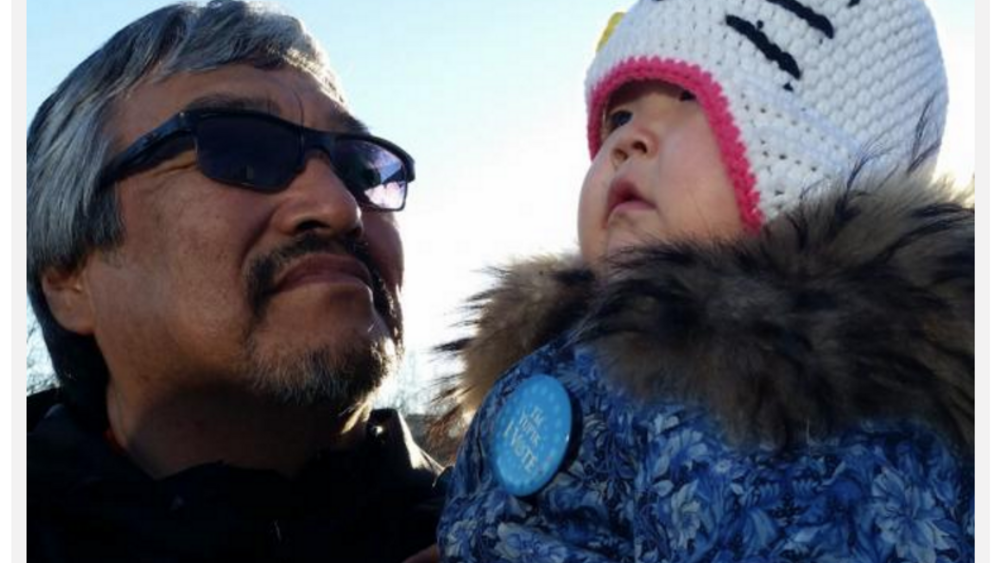
New Inter-Tribal Fish Commission Formed to Give Alaska Tribes a Say
Alaska reminds me of Washington state. Let me qualify that. Alaska reminds me of Washington state before the mid-1970s. Back then the region was deeply divided over treaty rights, salmon, and even the definition of what it meant to be an American Indian in modern times. The official state…
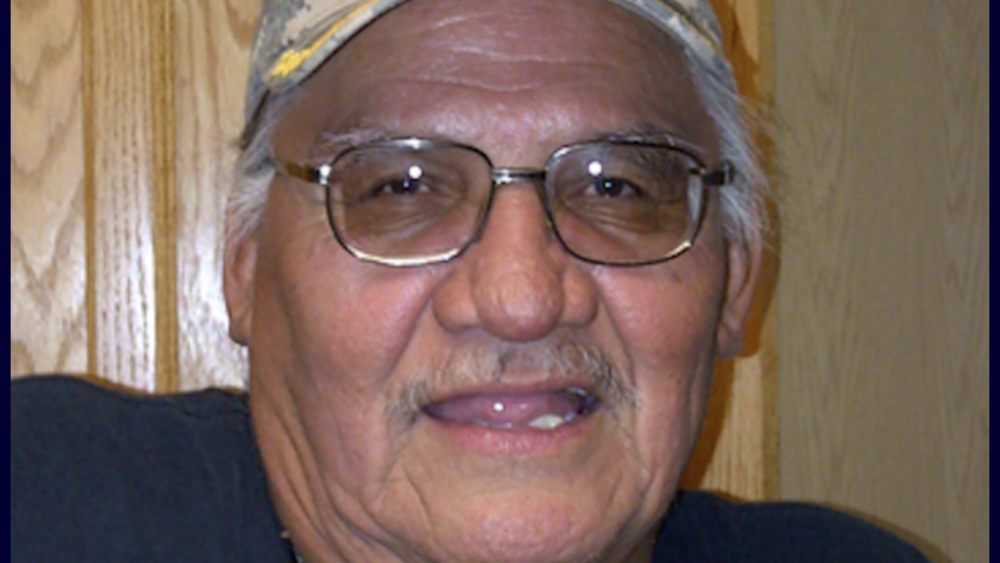
Indian Country must put more effort in public relations
While sipping my morning coffee I began reading a White House document titled “2014 Native Youth Report.” As with every other tribal member, I am aware of the long-standing socio-economic quagmire we have been enduring. The fact that we are still alive and well is short of miraculous and thought…
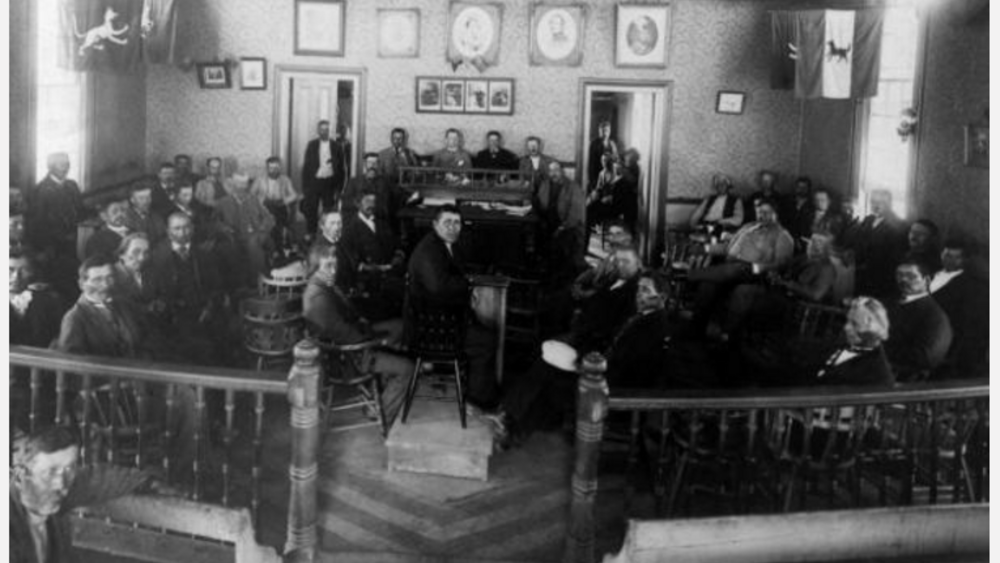
Political Autonomy and Sustainable Economy
A unique attribute of Indian political ways was noted early on by colonial observers. Indians, Indigenous Peoples more generally, were engaged in everyday political action as full participating community members. Every person had the right to be heard. Decisions were made through discussion and…

Northern California Tribe Harnesses Sun and Wind for Renewable Energy System
It’s sunny and windy on the northern coast of California. So why not put these elements to good use to help power a reservation, expand energy independence and reduce the carbon footprint? That’s the thinking behind the decision by the 577-member Bear River Band of the Rohnerville Rancheria to…
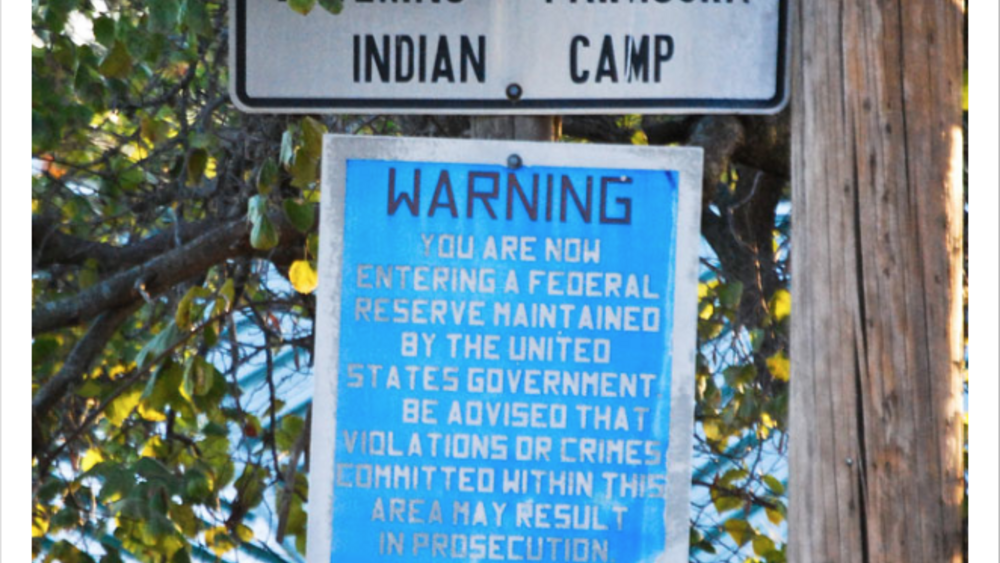
ON Congress passes five-year banishment bill targeting convicted drug dealers
Dangerous drug dealers convicted in the Osage Nation tribal court system are now subject to a mandatory minimum five-year banishment from the Nation’s jurisdiction. The Fourth ON Congress passed a bill (ONCA 15-31 sponsored by Congressman RJ Walker) on April 20 with a 7-4 vote putting the five to…
The Bay Mills Case: An Opportunity for Native Nations
On May 27th, the U.S. Supreme Court finally handed down its decision in the Michigan v. Bay Mills Indian Community case. The good news for Native nations is that the Court upheld the doctrine of tribal sovereign immunity, opting not to carry out any of the doomsday scenarios many suggested could…
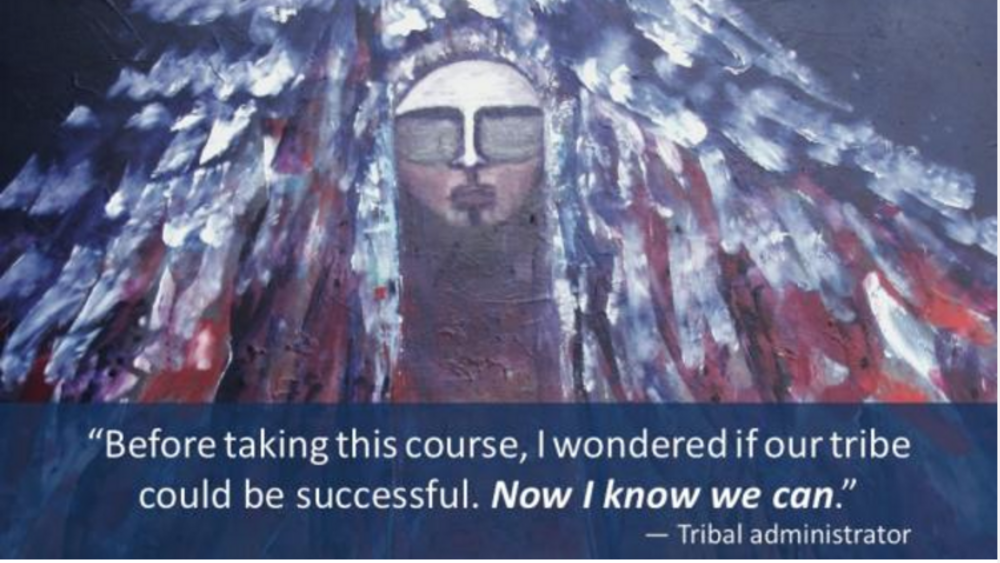
Rebuilding Native Nations Course: What I Learned
I had the opportunity to take the Rebuilding Native Nations Strategies for Governance and Development course offered by the Native Nations Institute at the University of Arizona. I was lucky enough to take the online course at no charge through an article I saw on ICTMN. The course costs $75 as of…
Klamath Agreements Strengthen Tribal Sovereignty
From time immemorial, salmon, steelhead and other fish runs have sustained the Klamath, Modoc and Yahooskin Paiute members of the Klamath Tribes. It has been more than 100 years, however, since our tribal members have seen salmon and steelhead migrate home to the Upper Klamath Basin, or had an…
Social Enterprise Café Builds Life Skills of Reservation Youth
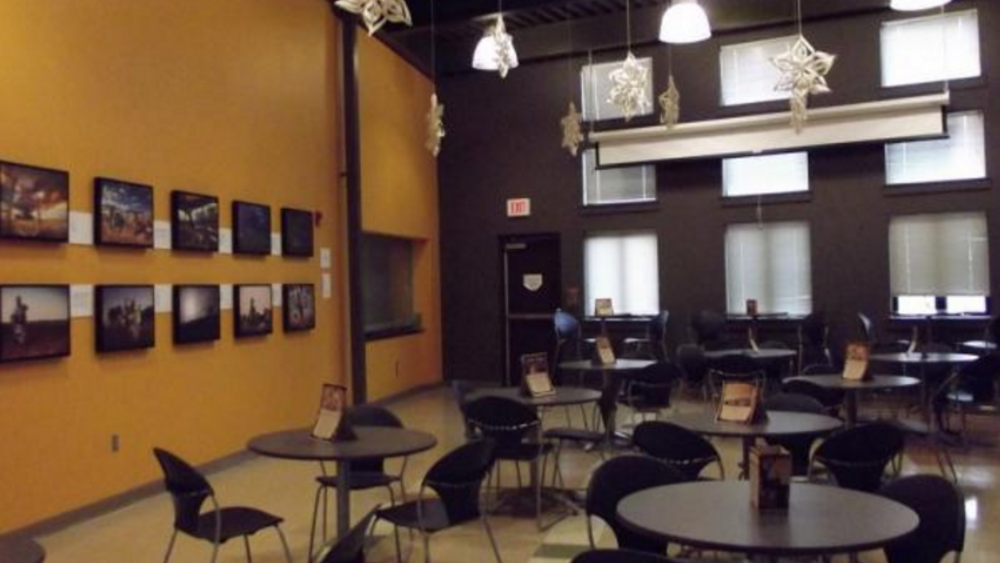
To the residents of the Cheyenne River Reservation, the newly-opened Keya Café & Coffee Shop in Eagle Butte, South Dakota, is a great place to pick up a cup of coffee and a pastry in the morning. But behind the scenes, this small business is working on a much broader scope by addressing such…
Two More South Dakota Lakota Tribes Advance Toward Their Own Foster Care Systems, Intending to Replace the State DSS System
The Lakota people have taken another positive step toward preserving their cultural sovereignty and solving the persistent foster care crisis in the state as two more tribes have joined the movement to apply for available federal funding to plan their own tribal-run foster care system... The Lower…
7 Tribal Programs That Protect Our Winged and Four-Legged Brothers
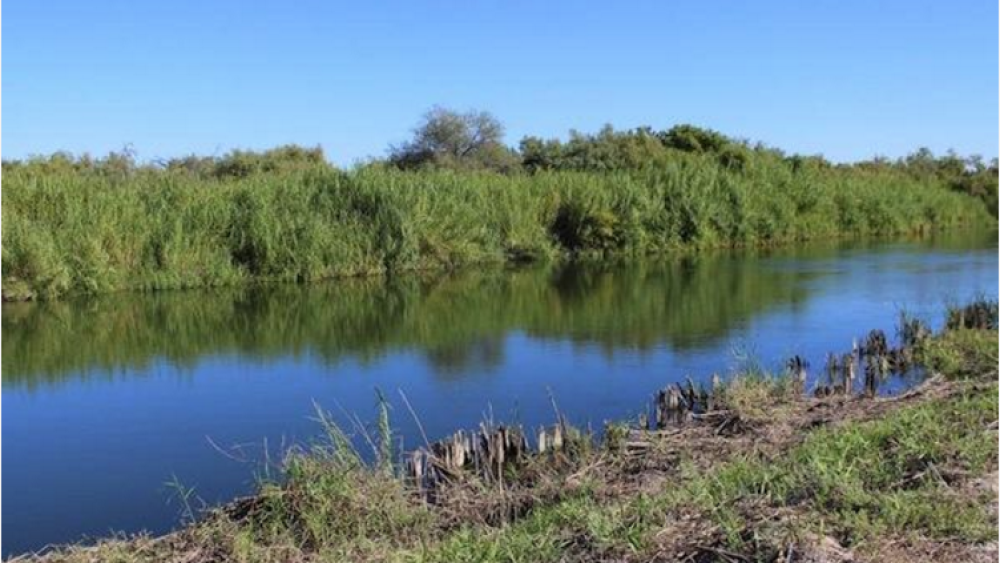
The news is full of sad stories about dying animals, species of all kinds being wiped out, and the random shooting of animals, among other depressing events. Amid all that it’s easy to forget that efforts aplenty are afoot to reverse the declines, save species, restore habitat and pull endangered…

Tribes Pushing Minimum Wage Higher
Though the minimum wage remains at $7.25 per hour for most Oklahomans, several tribal nations pay more or have boosted their entry-level wage above the federal level, a move that could cause the Oklahoma Legislature to take another look at the issue...