
Indigenous Governance Database
IGD Database Search
COVID-19 and Indigenous Peoples: Tools to Promote Equity and Best Practices
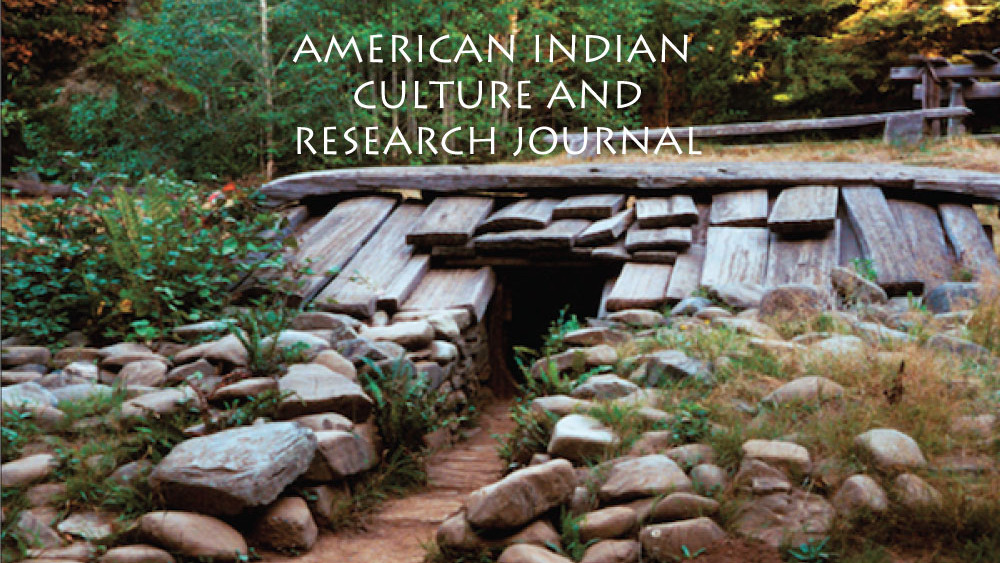
This is the second volume of a two-volume special issue of the American Indian Culture and Research Journal, volume 44.3, dedicated to the indirect impact of COVID-19 on Indigenous Peoples. The first volume (44.2) covers the degree to which Indigenous Peoples were affected by COVID-19 and how this…
Bankshot Episode 46 Report: Ignored by banks, Indigenous communities build their own financial system
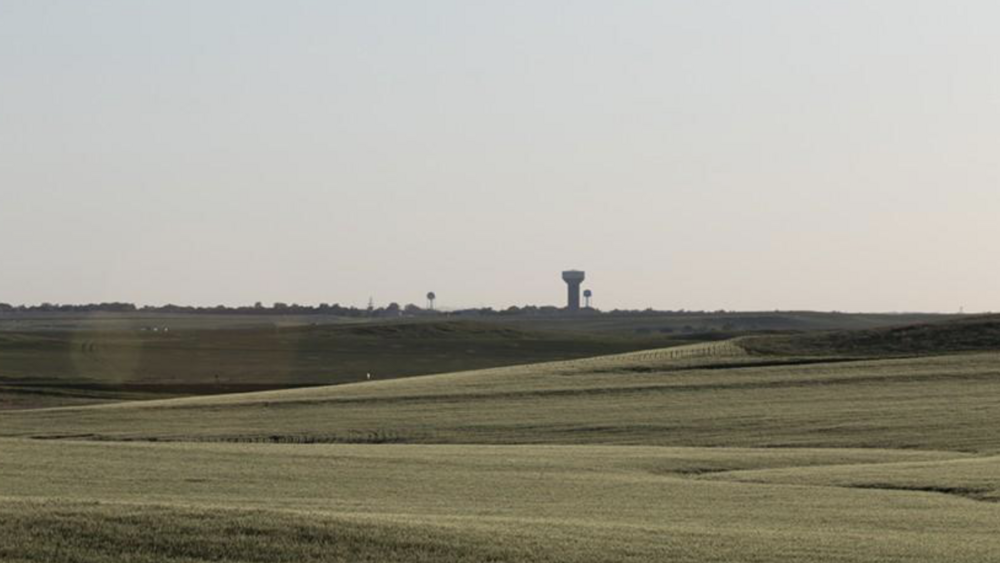
As seen from the air, the land is an expansive, grayish-brown terrain cracked open by the winding Missouri River with scattered clusters of black dots. On the ground, the dots become cows — so many cows — and the land becomes a roiling sea of prairie grass heaving under currents of wind you can see…
Bankshot Episode 46: Ignored by banks, Indigenous communities build their own financial system
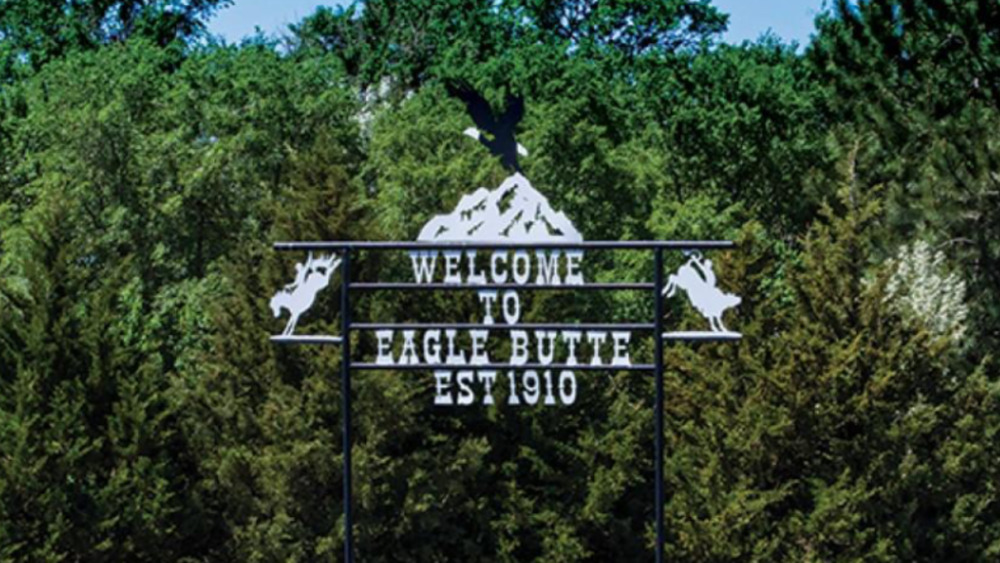
EAGLE BUTTE, S.D. — The Cheyenne River Sioux Reservation is big, but it isn’t as big as it used to be. As seen from the air, the land is an expansive, grayish-brown terrain cracked open by the winding Missouri River with scattered clusters of black dots. On the ground, the dots become cows — so…

Post COVID-19 Implications for Genetic Diversity and Genomics Research & Innovation: A Call for Governance and Research Capacity
At a time of significant technological change and digitization in the biological sciences, the COVID-19 pandemic has highlighted again the inequities in the research and innovation ecosystem. Based on a consultation with an internationally diverse group of stakeholders from multiple fields and…
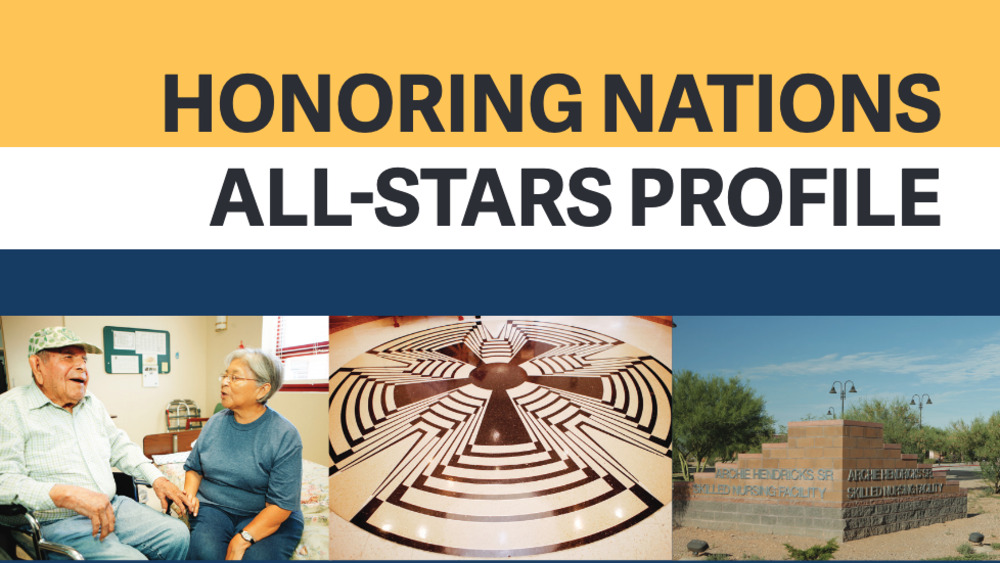
Honoring Nations All-Stars Profile: Tohono O’odham Nursing Care Authority
For many years, due to the Tohono O’odham Nation’s location in the Sonoran Desert of Arizona and the sparse population, Nation members did not have ac-cess to reservation-based long-term or post-hospital care services. This was particularly true for O’odham elders. Elders admitted to the Sells Area…
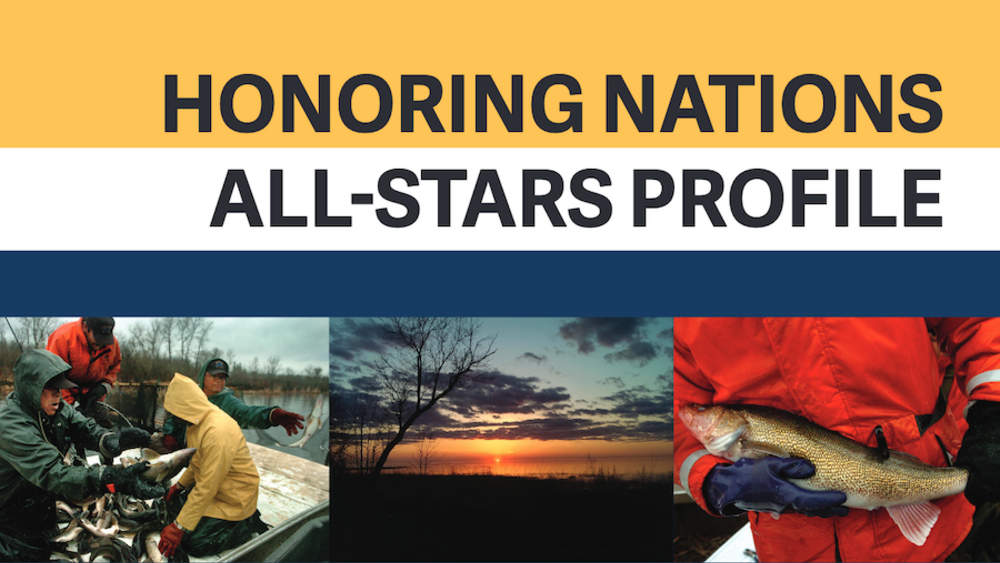
Honoring Nations All-Stars Profile: The Red Lake Walleye Recovery Program
In 1997, the members of the Red Lake Fisheries Association (RLFA), a cooperative established by com-mercial fishermen from the Red Lake Nation,1 voted to discontinue all commercial gillnet fishing on Red Lake for the upcoming season. An overwhelming majority of the RLFA’s members supported the…
The Rise of Indigenous Recognition: Implications for Comparative Politics
Recent decades have ushered in a new era for the recognition of Indigenous rights. Today, more than half of all United Nations member states recognize some form of Indigenous governance in their constitutions (Holzinger et al 2019), and dozens more have done so statutorily. This marks the…
COVID-19 and Indigenous Peoples: Impact of and Response to the Pandemic
In a two-volume, special edition of the American Indian Culture and Research Journal—volume 44, issues 2 and 3—we examine COVID-19’s unique implications for Indigenous Peoples, nations, and communities. We organized these special issues because the COVID-19 pandemic has particularly adversely…
Operationalizing the CARE and FAIR Principles for Indigenous data futures
As big data, open data, and open science advance to increase access to complex and large datasets for innovation, discovery, and decision-making, Indigenous Peoples’ rights to control and access their data within these data environments remain limited. Operationalizing the FAIR Principles for…
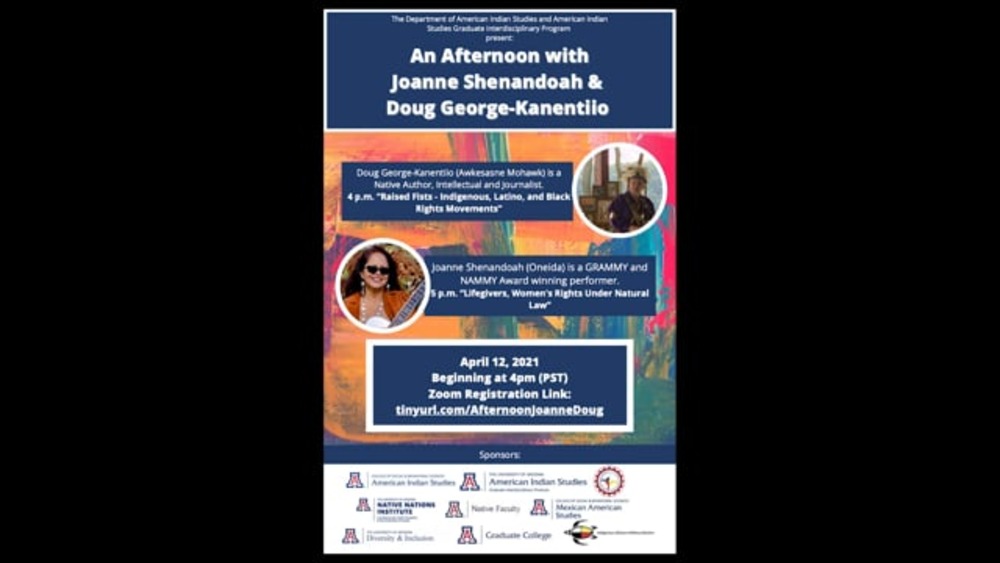
AIS event: An Afternoon with Joanne Shenandoah and Doug George-Kanentiio
On April 12, 2021, the Department of American Indian Studies and Graduate Interdisciplinary Program presented "An Afternoon with Joanne Shenandoah & Doug George-Kanentiio." Doug George-Kanentiio (Awkesasne Mohawk) is a Native author, intellectual and journalist. His presentation was on “Raised…
Policy Brief: Recommendations for the Allocation and Administration of American Rescue Plan Act Funding for American Indian Tribal Governments
The American Rescue Plan Act (ARPA) provides the largest infusion of federal funding for Indian Country in the history of the United States. More than $32 billion dollars is directed toward assisting American Indian nations and communities as they work to end and recover from the devastating…
Business Enterprises Toolbox
What do successful businesses and economic development look like in a Native nation? Find out with case studies and research reports on successful and awarded efforts from around the world. Understand how to build and implement business codes, launch your own Limited Liability Company (LLC) and a…
Economic Development Corporation: Ho-Chunk, Inc. Winnebego Tribe of Nebraska
Chartered under the laws of the Winnebago Tribe and wholly owned by the Tribe, Ho-Chunk, Inc. was launched in 1994 to diversify the Tribe’s business interests while maintaining a separation between business and tribal government. The general purpose company promotes economic self-sufficiency and…
Uniform Commercial Codes: Bringing Business to Indian Country. Tribal Secured Transactions Laws: A Working Forum
During "Uniform Commercial Codes: Bringing Business to Indian Country", a conference on January 15, 2013, sponsored by The Federal Reserve Banks of Minneapolis, Kansas City, and San Francisco and the U.S. Department of the Interior’s Office of Indian Energy and Economic Development, Susan Woodrow…
Model Tribal Secured Transactions Act
The Model Tribal Secured Transactions Act (MTSTA) is based on the Uniform Commercial Code's (UCC) Article 9 and provides a legal framework for promotion of private business via secured transactions. A secured transaction occurs when a loan is issued and personal property, not real estate, is used…
Implementation Guide and Commentary to the Model Tribal Secured Transactions Act
This Implementation Guide and Commentary to the Model Tribal Secured Transactions Act (hereinafter “Act” or “MTA”) drafted by the National Conference of Commissioners on Uniform State Laws (“NCCUSL”) and the Federal Reserve Bank of Minneapolis was developed for three purposes: (1) to assist tribal…
Indigenous Peoples' Data During COVID-19: From External to Internal
Global disease trackers quantifying the size, spread, and distribution of COVID-19 illustrate the power of data during the pandemic. Data are required for decision-making, planning, mitigation, surveillance, and monitoring the equity of responses. There are dual concerns about the availability and…
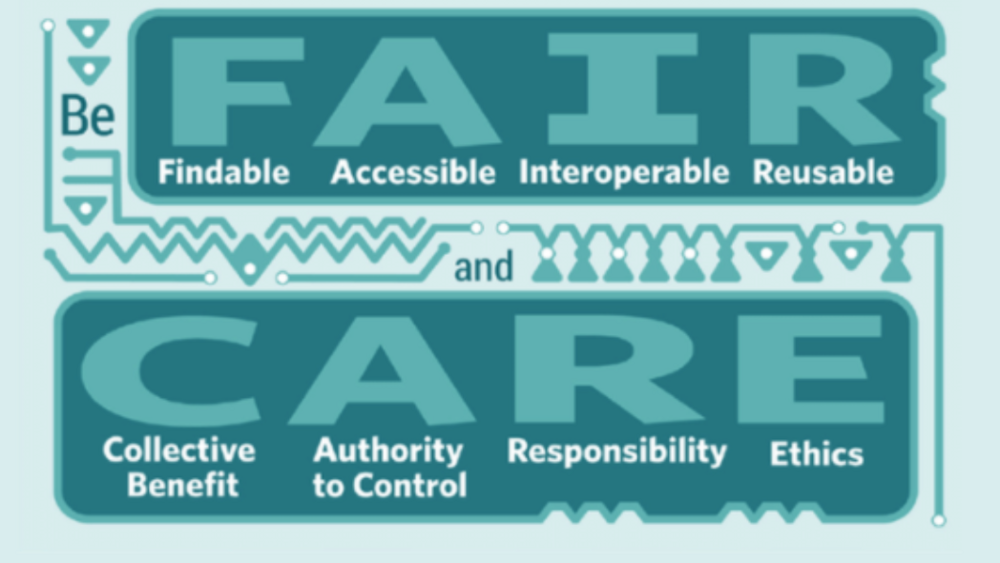
Working with the CARE Principles: operationalising Indigenous data governance
Shifting the focus of data governance from consultation to values-based relationships to promote equitable Indigenous participation in data processes. Indigenous data sovereignty is becoming an increasingly relevant topic, as limited opportunities for benefit sharing have focused attention on the…
Fostering global data sharing: highlighting the recommendations of the Research Data Alliance COVID-19 working group
The systemic challenges of the COVID-19 pandemic require cross-disciplinary collaboration in a global and timely fashion. Such collaboration needs open research practices and the sharing of research outputs, such as data and code, thereby facilitating research and research reproducibility and…
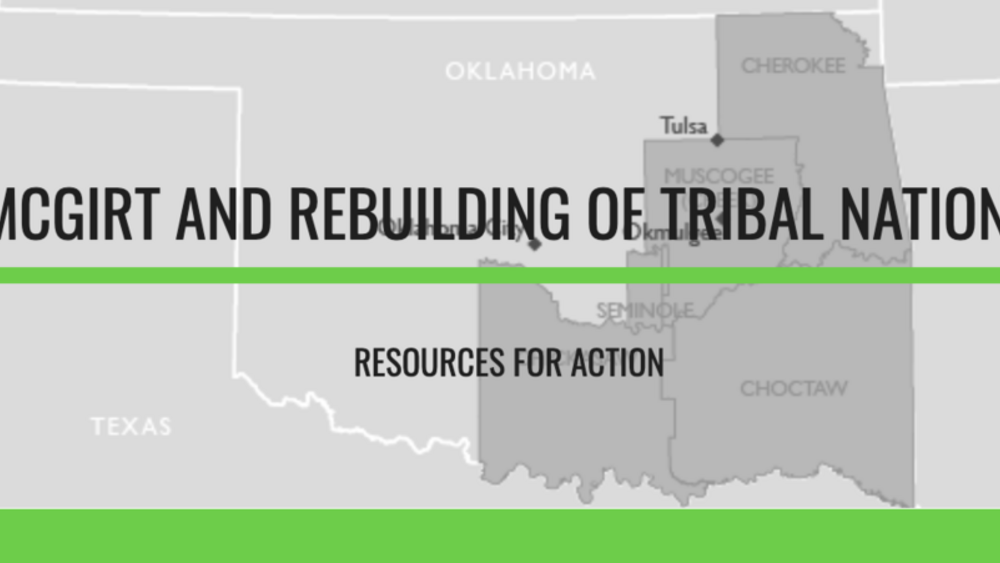
McGirt and Rebuilding Tribal Nations Toolbox
The McGirt decision has changed the legal landscape and created new opportunities for tribal nations starting with the Five Tribes in Eastern Oklahoma and potentially for tribal nations across Indian Country. It also has been the source of confusion, hyperbole, and alarm among some commentators.…