
Indigenous Governance Database
Cultural Affairs
Akwesasne Freedom School
In 1979, the Akwesasne Freedom School took form out of the Mohawk struggle for self-determination and self-government. It is characterized by a deep commitment to the maintenance of Mohawk identity. Students in this pre-kindergarten through 8th-grade language immersion school begin and end each…
Archie Hendricks, Sr. Skilled Nursing Facility and Tohono O'odham Hospice
For decades Tohono O’odham elders in need of skilled nursing had to move far away from family and friends to receive care, or stay home and forgo long-term care services. However, with the opening of the Archie Hendricks, Sr. Skilled Nursing Facility, O’odham elders can now remain in the community…
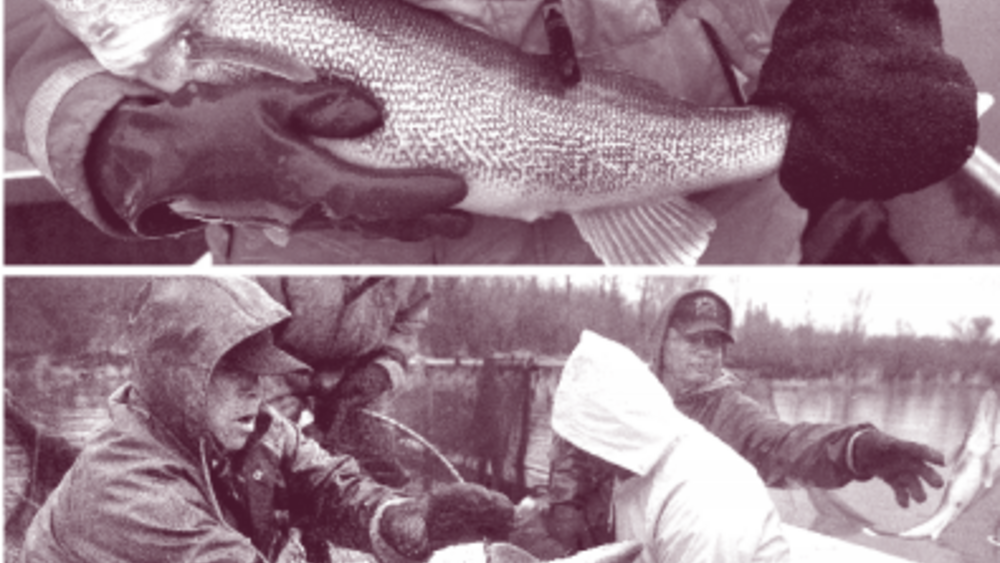
We Are the Stewards: Indigenous-Led Fisheries Innovation in North America
This paper offers an overview of the current state of Indigenous-led fisheries management in the United States and Canada. It summarizes major trends in Indigenous-led fisheries innovation in North America and presents common keys and challenges to the success of these efforts. It chronicles three…
Cherokee Language Revitalization Project
In 2002, the Cherokee Nation carried out a survey of its population and found no fluent Cherokee speakers under the age of 40. The Cherokee Principal Chief declared a "state of emergency," and the Nation acted accordingly. With great focus and determination, it launched a multi-faceted initiative…
The Financial Literacy of Native American Youth
Tests of high school students conducted by the Jump$tart Coalition for Personal Financial Literacy indicate that Native American youth are less prepared to make informed financial choices than most of their peers. Jump$tart and the members of the Native Financial Education Coalition (NFEC) are…
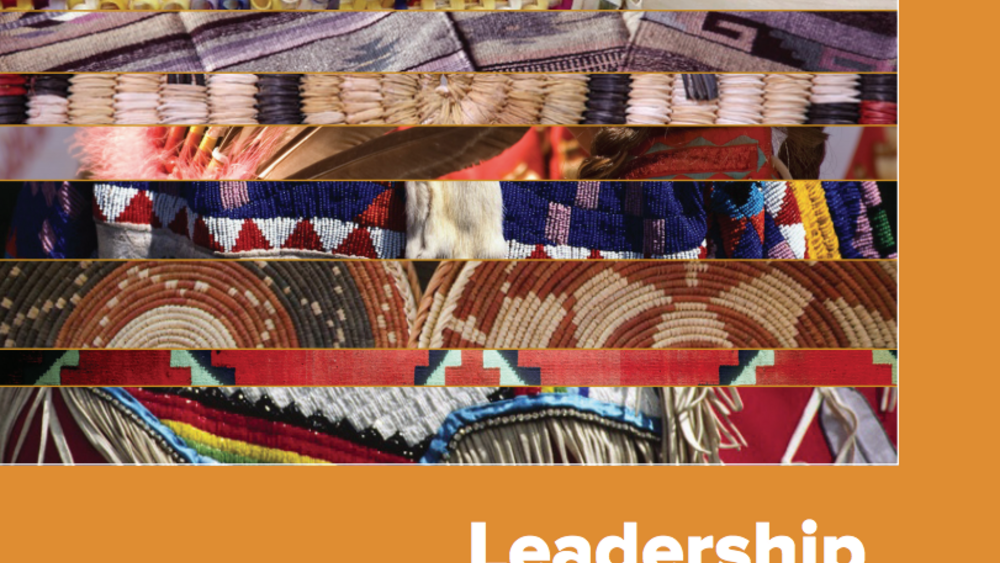
Leadership Development in the Native Arts and Culture Sector
Burgeoning cultural renewal in Native America and growing mainstream recognition of Native artists and their ideas have resulted in substantial growth in the Native arts and culture sector. The leaders of Native arts and cultural organizations have been a significant force behind this change. They…
Cherokee National Youth Choir
The Youth Choir presents an innovative approach to promoting and encouraging the use of the endangered Cherokee language among its youth while also instilling Cherokee cultural pride. The award-winning choir — comprised of 40 young Cherokee ambassadors — has performed in venues across the US,…
Cherokee Nation History Course
Launched in 2000, the Cherokee Nation History Course is a free, 40-hour, college-level study offered to 1,800 tribal employees and members of Cherokee communities. Through lectures, discussions, case exercises, and role-playing, the course teaches Cherokee history, culture, and government to both…
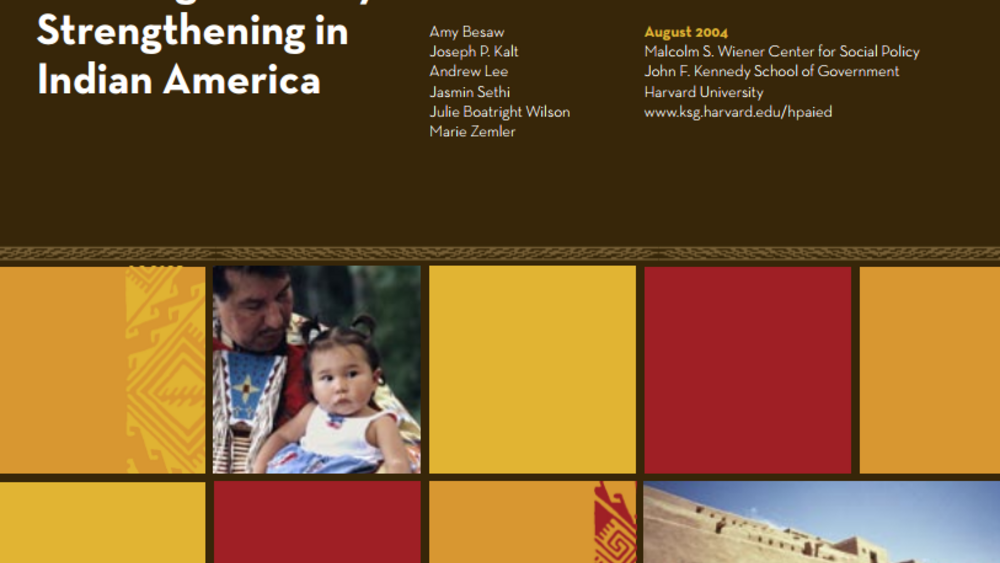
The Context and Meaning of Family Strengthening in Indian America
This report presents five specific, field-based case studies of successful efforts to support the well-being of Native American children. These successful programs were conceived of, implemented by, and generally funded by Tribal communities. These programs include the Ya Ne Day ah School in…
Native Nations and Arizona's Economy
American Indians are disproportionately represented among the low-income residents of the state of Arizona. Across the United States, including in Arizona, reservation economies are growing at a fast pace but low starting points for growth mean that it will take years for American…
Good Native Governance Plenary 3: Innovative Research in Education: Educating Tomorrow's Tribal Leaders
UCLA School of Law "Good Native Governance" conference presenters, panelists and participants Tiffany S. Lee, Sheilah E. Nicholas, and Tarajean Yazzie-Mintz focus on the process of educating tribal leaders, youth, and entire communities through relationships and collaborations. This video…
Good Native Governance: Lunchtime Keynote Address
UCLA School of Law "Good Native Governance" conference lunchtime keynote speaker, Joseph P. Kalt discusses research in the areas of good Native governance. This video resource is featured on the Indigenous Governance Database with the permission of the UCLA American Indian Studies…
Terry Janis: Citizen Engagement and Constitutional Change at the White Earth Nation
Terry Janis (Oglala Lakota), former Project Manager of the White Earth Nation Constitution Reform Project, provides participants with a detailed overview of the multi-faceted approach to citizen engagement that the White Earth Nation followed as it worked to educate the White Earth people about the…
Patricia Riggs: The Role of Citizen Engagement in Nation Building: The Ysleta del Sur Pueblo Story
Patricia Riggs, Director of Economic Development for Ysleta del Sur Pueblo (YDSP), discusses how YDSP has spent the past decade developing and fine-tuning its comprehensive approach to engaging its citizens in order to identify and then achieve its nation-building priorities. This video resource…
Jeff Corntassel: Sustainable Self-Determination: Re-envisioning Indigenous Governance, Leadership and Resurgence
Scholar Jeff Corntassel (Cherokee) lays out his comprehensive explanation for what sustainable self-determination entails for Indigenous peoples in the 21st century, and provides examples of some of the ways that he and others are engaging in small and large acts of resurgence that contribute to…
John Borrows: Who Are We and How Do We Know?
University of Minnesota Law Professor John Borrows (Anishinaabe) discusses how the Anishinaabe traditionally defined and practiced notions of social identity and belonging, and how those definitions and practices were rooted in relationships: relationships between those deemed to be part of the…
From the Good Native Governance: Innovative Research in Law, Education, and Economic Development Conference
Assistant Secretary Kevin Washburn provided a snapshot of Native nations engaging in self-governance reinforcing the notion that "almost anything the federal government can do, tribes can do better" through good governance.
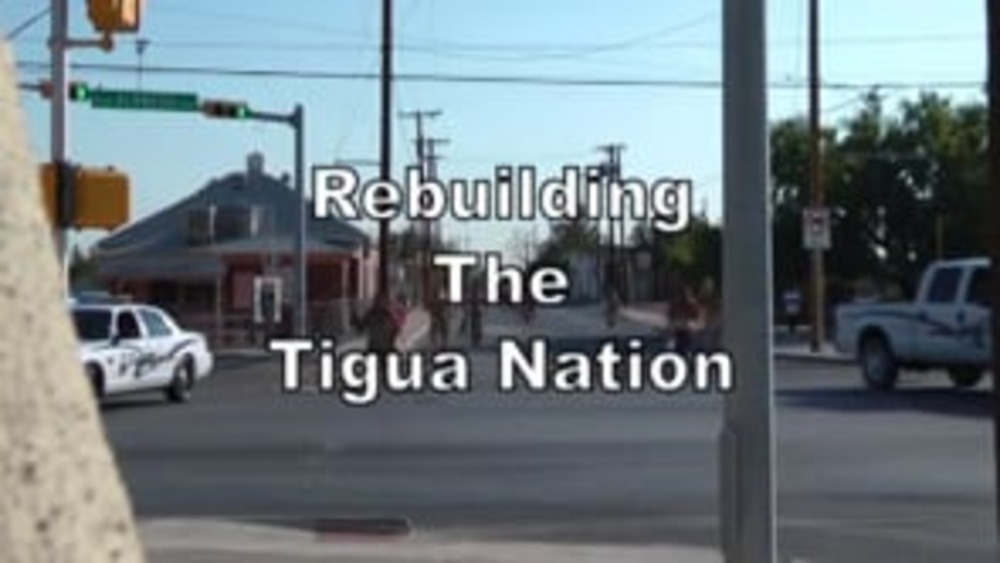
Rebuilding the Tigua Nation
The Tigua Indians of Ysleta del Sur Pueblo in Ysleta, Texas produced this 16-minute film in 2013 to demonstrate how a Native American tribe can work hard with business skills and tribal customs to shape a prosperous future through education for all levels of the Tigua Nation.
Robert Hershey: Dispelling Stereotypes about the Federal Government's Role in Native Nation Constitutional Reform
Robert Hershey, Professor of Law and American Indian Studies at The University of Arizona, dispels some longstanding stereotypes about what the federal government can and will do should a Native nation decide to amend its constitution to remove the Secretary of Interior approval clause or else make…
Deborah Locke: Disenrollment: My Personal Story
Deborah Locke, adopted by a Fond du Lac Band of Lake Superior Chippewa couple when she was a small child, shares her heartbreaking story of how she and her adopted siblings were disenrolled by the Band decades later because they were not the biological descendants of Fond du Lac Band members and…