
Indigenous Governance Database
Governance
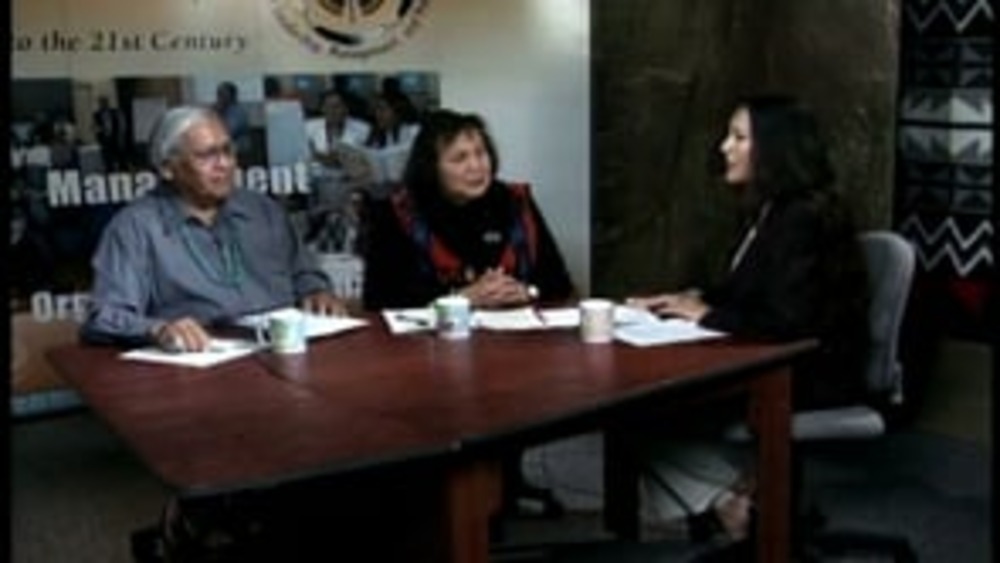
Native Nation Building TV: "Leadership and Strategic Thinking"
Guests Peterson Zah and Angela Russell tie together the themes discussed in the previous segments into a conversation about how Native nations and their leaders move themselves and their peoples towards nation building. They address the question all Native nations have: How do we get where we want…

Todd Hembree: A Key Constitutional Issue: Separations of Powers (Q&A)
Cherokee Nation Attorney General fields questions about the critical role of separations of powers in effective Native nation governance and how the Cherokee Nation instituted an array of separations of powers in the development of their new constitution
Return of the Red Lake Walleye (trailer)
The Native Nations Institute film Return of the Red Lake Walleye chronicles the extraordinary effort of the Red Lake Band of Chippewa Indians working together with the State of Minnesota and the federal government to bring back the culturally vital walleye from the brink of extinction and restore…
Native Nation Building TV: "Promoting Tribal Citizen Entrepreneurs"
Guests Joan Timeche and Elsie Meeks examine the pivotal role that citizen entrepreneurs can play in a Native nation's overarching effort to achieve sustainable community and economic development. It looks at the many different ways that Native nation governments actively and passively hinder…
Joan Timeche and Joseph P. Kalt: The Process of Constitutional Reform: Key Issues and Cases to Consider
Joan Timeche and Joseph P. Kalt share two stories of constitutional reform processes undertaken by Native nations and discuss what factors spurred or impeded the ultimate success of those efforts.
Native Nation Building TV: FOX News Segment on Native Nation Building
Joan Timeche, Stephen Cornell and Ian Record with the Native Nations Institute at The University of Arizona discuss the "Native Nation Building" television and radio series and the research findings at heart of the series in a televised interview in January 2007.This video resource is featured on…
Karen Diver: What I Wish I Knew Before I Took Office
Fond du Lac Band of Lake Superior Chippewa Chairwoman Karen Diver shares her Top-10 list of the things she wished she knew before she took office as chairwoman of her nation, stressing the need for leaders to create capable governance systems and build capable staffs so that they focus on…
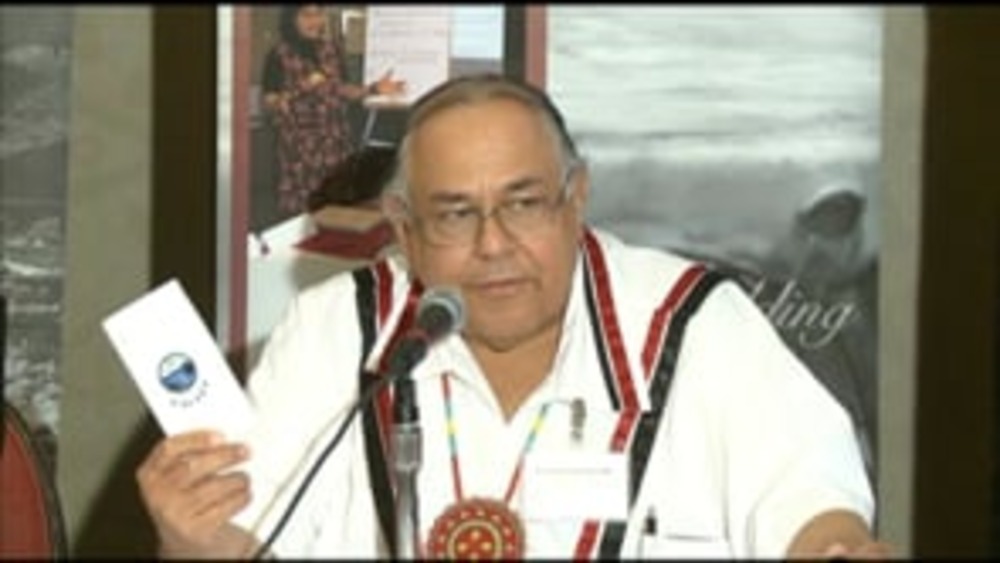
Frank Ettawageshik: Reforming the Little Traverse Bay Bands of Odawa Constitution: What We Did and Why
Frank Ettawageshik, Former Chairman of the Little Traverse Bay Bands of Odawa Indians (LTBBO), discusses how LTBBO came to develop a new constitution and system of government, the key components of the LTBBO constitution, and how the new LTBBO constitution differs in fundamental ways from the old…
Native Nation Building TV: "Constitutions and Constitutional Reform"
Guests Joseph P. Kalt and Sophie Pierre explore the evidence that strong Native nations require strong foundations, which necessarily require the development of effective, internally created constitutions (whether written or unwritten). It examines the impacts a constitution has on the people it…
Native Nation Building TV: "A Capable Bureaucracy: The Key to Good Government"
Guests Urban Giff and Joan Timeche explain that good governance requires effective, transparent and accountable bureaucracies. The segment demonstrates how clearly defined organizational structures and roles and responsibilities help make things work and get things done, and how their absence…
Native Nation Building TV: "Moving Towards Nation Building"
Manley A. Begay, Jr. and Stephen Cornell contrast the two basic approaches to Indigenous governance -- the standard approach and the nation-building approach -- and discusses how a growing number of Native nations are moving towards nation building. It provides specific examples of how implementing…
Native Nation Building TV: "Introduction to Nation Building"
Guests Manley Begay and Stephen Cornell present the key research findings of the Native Nations Institute and the Harvard Project on American Indian Economic Development. They explain the five keys to successful community and economic development for Native nations (sovereignty or practical self-…
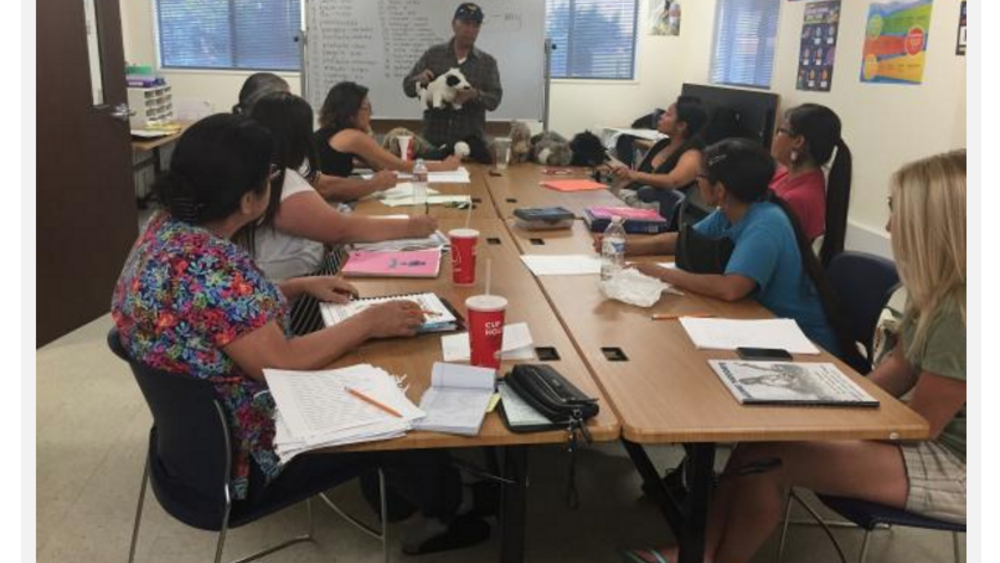
Native Language: Pathway to Traditions, Self-Identity
Stacey Burns says a transformation has taken place within the Reno-Sparks Indian Colony from something as old as the Washoe, Paiute and Shoshone tribes themselves: their native languages...

How Can Tribes Relate to Off-Reservation Citizens Better? Study Aims to Help
How do you define “home?” “Home is where one starts from” is one explanation, while another states, “Our feet may leave home, but not our hearts.” Where you call home is especially important to Native Americans who have left the familiarity of where they grew up among fellow tribal members and…
What is Section 17?
It’s been over a year since Tribal Council passed a resolution (No. 182 — 2014) authorizing a draft to be crafted for a Section 17 corporate charter for the Eastern Band of Cherokee Indians. The main goal, per Res. No. 182, “is seeking economic diversification” that will benefit the Tribe into the…
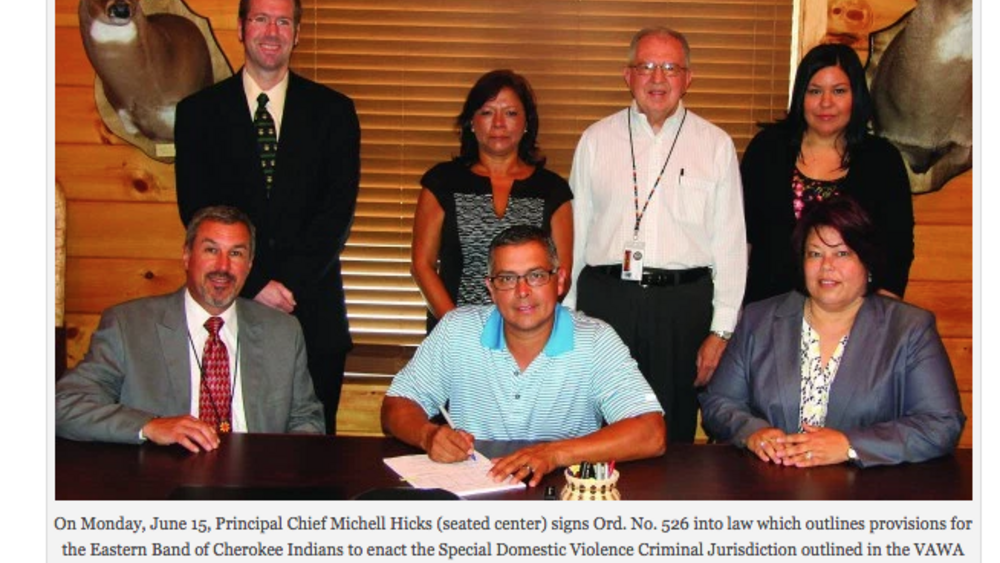
Tribe asserts DV jurisdiction over non-Indians
The U.S. Department of Justice has reported that American Indian women “are more than 2.5 more likely to be raped or sexually assaulted than women in the USA in general”. The DOJ also reports, per its Bureau of Justice Statistics, that at least 70 percent of the “violent victimizations experienced…
Kuskokwim Inter-Tribal Fish Commission Meets
Just a few weeks before the king salmon run begins in earnest, Kuskokwim tribal leaders came together in the first-ever meeting of Kuskokwim River Inter Tribal Fisheries Commission. The group is pushing to create a system in which tribes have a direct management role in the river’s salmon...

BIA Head Kevin Washburn Speaks to ICTMN About Bay Mills and the Need to Resolve Water Rights
Interior Secretary — Indian Affairs Kevin K. Washburn was in New York City in September as the historic Peoples’ Climate March and the United Nations General Assembly opened its 69th regular session with the first World Conference on Indigenous Peoples, where he added to our excitement here at…
Strengthening the role of Native CDFIs: A conversation with Gerald Sherman of the Native CDFI Network
Roughly 8 percent of the 917 community development financial institutions (CDFIs) in the U.S. are categorized as Native CDFIs (NCDFIs), which means they serve primarily American Indian, Alaska Native, or Native Hawaiian communities. Due to a mixture of historical, political, and geographical…
Disenrollment Is a Tool of the Colonizers
Our elders and spiritual leaders do not teach the practice of disenrollment. In fact, disenrollment is a wholly non-Indian construct. Indeed, when I recently asked Eric Bernando, a Grand Ronde descendant of his tribe’s Treaty Chief and fluent Chinook Wawa speaker, if there was a Chinook Wawa word…