
Indigenous Governance Database
Governance

How to Protect Tribal Lands From Our Deadliest Enemies
In 2001, the U.S. Supreme Court dealt a severe below to Indian sovereignty when it decided Nevada v. Hicks, suggesting to states and counties that when their cops are investigating off-reservation crimes, they need not obtain tribal court warrants to conduct searches or arrests on tribal land. The…

Potawatomi $20 Million Feedstock-to-Energy Conversion Plant Becomes Reality
Meeting the dual goal of environmental stewardship and sustainability, the Forest County Potawatomi Community has opened its newly constructed $20 million Renewable Energy Facility, which will convert area food waste into enough electricity to power 1,500 homes. It was the fruition of a project…
Will the Supreme Court Use Bay Mills Case to Blow Up Tribal Sovereignty?
As regular visitors to this site and other Indian country media outlets no doubt have seen in recent weeks, Native nation leaders, tribal attorneys, and federal Indian law practitioners alike are gravely concerned about a case currently pending before the Supreme Court: State of Michigan v. Bay…

A Better Education for Native Students: The Morongo Method
The Morongo School offers a promising way for Indian nations and communities to educate their children so they have a firm foundation in their own culture, and acquire skills to gain entry and complete college...
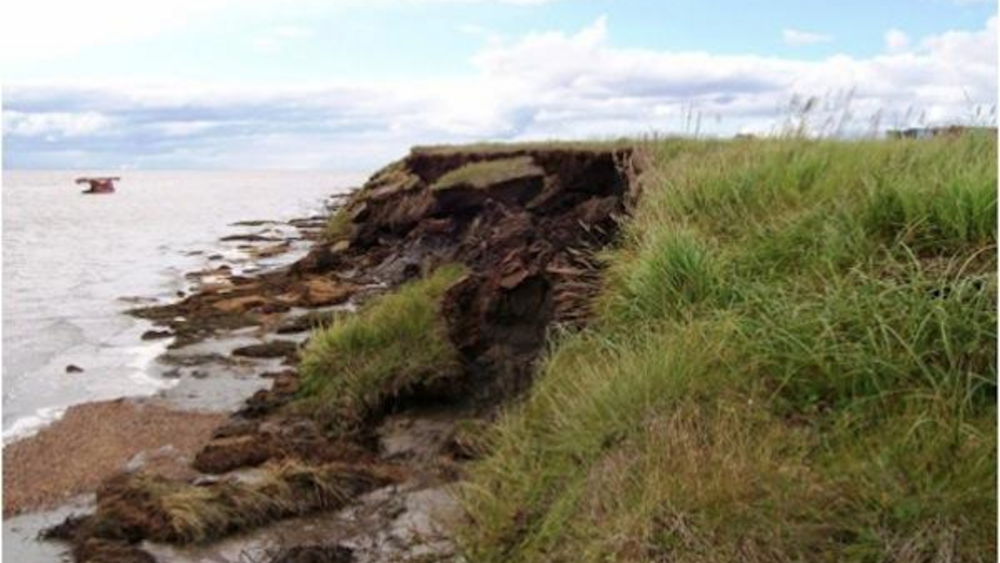
8 Tribes That Are Way Ahead of the Climate-Adaptation Curve
Much has been made of the need to develop climate-change-adaptation plans, especially in light of increasingly alarming findings about how swiftly the environment that sustains life as we know it is deteriorating, and how the changes compound one another to quicken the pace overall. Studies, and…
Servants of the People
Traditionally, this title was an honor bestowed on those distinguished both by willingness to serve and effectiveness in doing so. This was our concept – unique throughout the world but one with such a strong sense of rightness that many would claim it for their own. Of course, claims and reality…

Muscogee Creek Nation Meets Growing Pharmacy Needs Through Bilingual, Self-Refill App
A new, automated prescription refill system has made time management much easier for Muscogee Creek pharmacy staff. Nearly a year ago, the tribe tapped Enacomm, a leader in interactive voice response technology, to help the Muscogee Creek Nation Department of Health manage their increasingly high…
How Tribal Nations Need to Be Understood Around the World
The word “nation” is one of those words that gets thrown around haphazardly by academics, laypeople and politicians alike; it has become synonymous with “nation-state” and “state” to describe what we understand today as the global polities we refer to as countries. But there are distinctions to be…
Indian Nations Are Still Fighting the U.S. Cavalry
Throughout the 19th Century the U.S. Cavalry perpetrated the genocide of Indian People. Today’s Cavalry–federal, state and local police–are no longer committed to extermination. But American cops’ flagrant disregard for tribal self-governance when carrying out law enforcement activities on Indian…

Face Time: Video Conferencing App Improves Business Relations for Eastern Band of Cherokees
Many employees of the Eastern Band of Cherokee Indians who tote tribal issued mobile devices are–or will be soon–getting more face time in with a video conferencing application. The Eastern Band, which employs about 1,100 workers, began its deployment of ClearSea, a high-definition video…
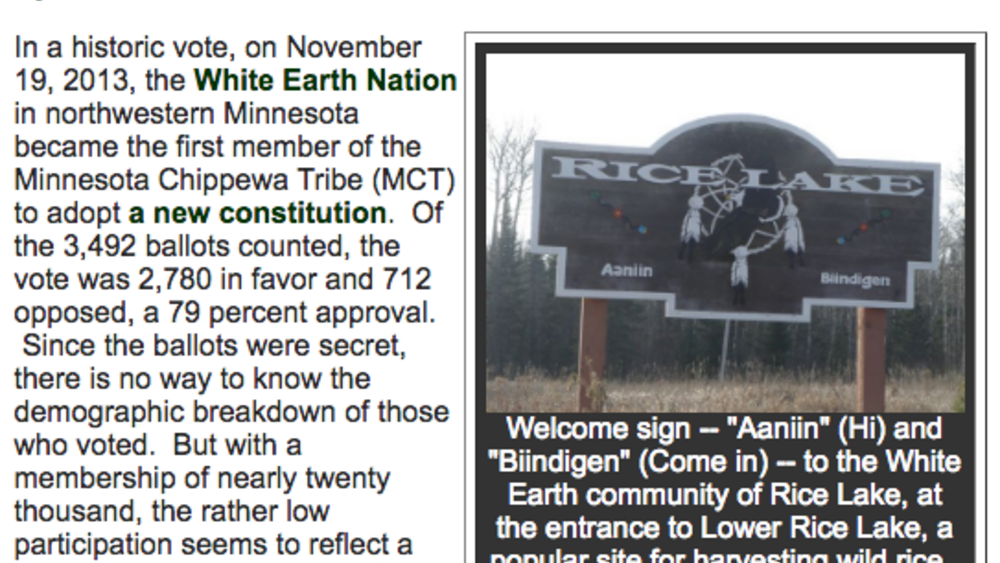
White Earth Nation Adopts New Constitution
In a historic vote, on November 19, 2013, the White Earth Nation in northwestern Minnesota became the first member of the Minnesota Chippewa Tribe (MCT) to adopt a new constitution. Of the 3,492 ballots counted, the vote was 2,780 in favor and 712 opposed, a 79 percent approval. Since the ballots…
Two Possible Paths Forward for Native Disenrollees and the Federal Government?
Disenrollment, a seemingly innocuous term when used outside Indian country, has become a loaded word that rivals, if it does not surpass, “termination” as a concept that invokes fear and trembling in those natives who suffer its consequences. While the federal policy of termination in the 1950s was…
Tribes across the country are re-examining their constitutions
Erma Vizenor is not exactly a revolutionary. But like America’s founders, she’s on a mission to ratify a new constitution in her homeland – the White Earth tribal nation. Most Americans don’t realize that tribes have their own constitutions, which set down rules for everything from tribal…
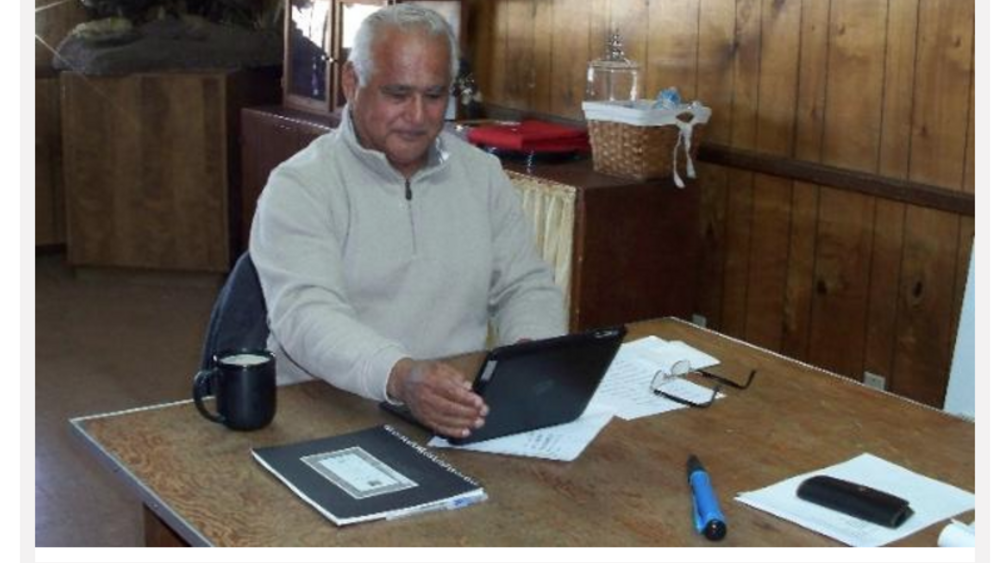
New Leadership for Tubatulabal Tribe; Recognition, Economic Development Among Top Priorities
The new year had barely dawned and Tubatulabal Tribe Chairman Robert Gomez was hard at work on the priorities he and the council had established for the year. It’s a heavy load: Federal recognition. Economic development. Professional development for tribal leadership. Community outreach. Continued…
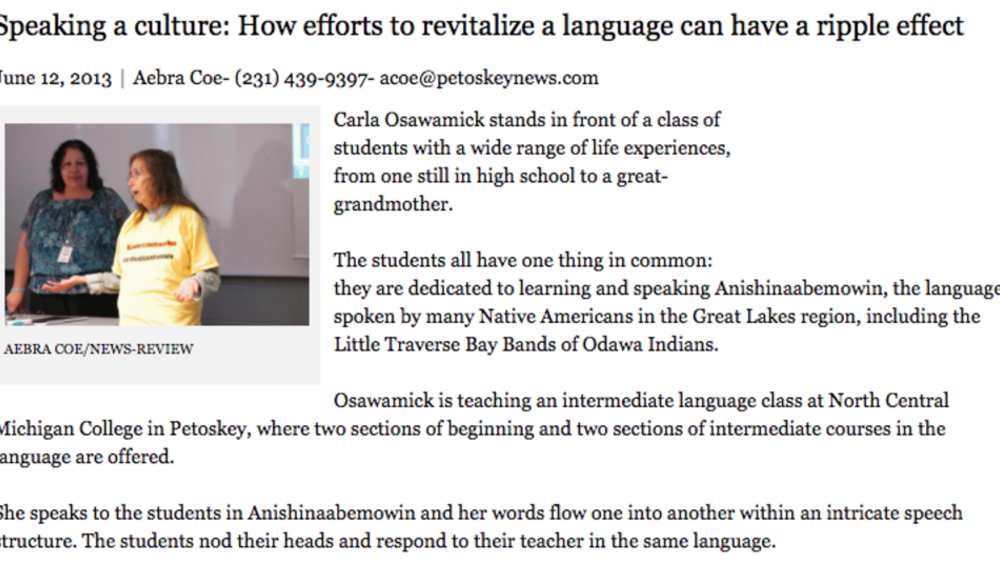
Speaking a culture: How efforts to revitalize a language can have a ripple effect
Carla Osawamick stands in front of a class of students with a wide range of life experiences, from one still in high school to a great-grandmother. The students all have one thing in common: they are dedicated to learning and speaking Anishinaabemowin, the language spoken by many Native Americans…
Native nations and the rise of self-governance
The unmistakable resurgence of Native nations within the United States this past 40 years is often credited simply to self-governance. While certainly true as far as it goes, the progression from subjugation and the despair of a disenfranchised people to today’s Native governments, is one of the…

20 Pounds? Not Too Bad, for an Extinct Fish
For most fishermen, a 20-pound trout is a trophy, but for Paiute tribe members and fish biologists here the one Matt Ceccarelli caught was a victory. That Lahontan cutthroat trout he caught last year, a remnant of a strain that is possibly the largest native trout in North America, is the first…
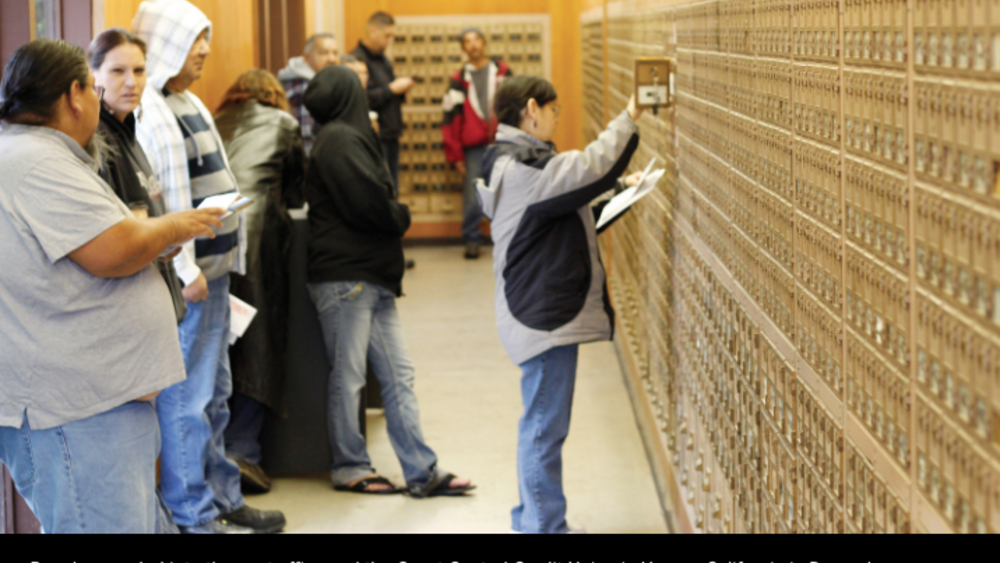
Economy, distrust complicate allocation of tribal settlement money
When the Obama administration announced in April that it would pay 41 tribes some $1 billion to settle a lawsuit over federal mismanagement of trust funds, many saw it as a sort of stimulus package for Indian Country -- a chance to invest in long-term development and infrastructure, such as schools…
Rebuilding Native Nations Builds Leadership
The late Hopi leader Thomas Banyacya once said, “Do not look outside yourself for a leader.” That’s good advice for those with inherent leadership qualities. Now the Native Nations Institute for Leadership, Management, and Policy at the University of Arizona is offering an in-depth program to help…
Navigating VAWA's New Tribal Court Jurisdictional Provision
President Obama signed into law the reauthorization of the Violence Against Women Act (VAWA), a federal statute that addresses domestic violence and other crimes against women. As initially conceived in 1994, VAWA created new federal crimes and sanctions to fill in gaps, provided training for…