
Indigenous Governance Database
Intergovernmental Relations
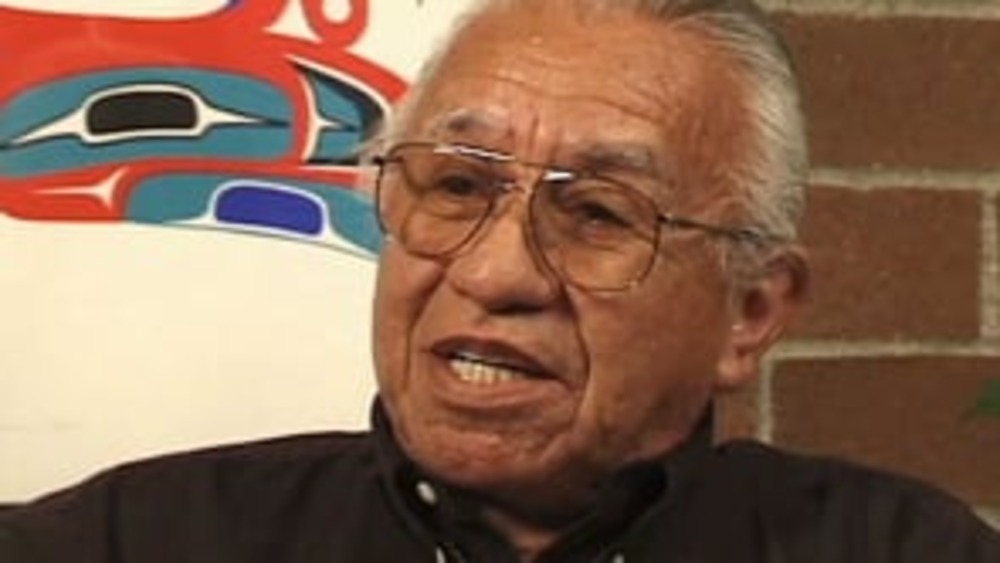
Great Tribal Leaders of Modern Times: Billy Frank, Jr.
Produced by the Institute for Tribal Government at Portland State University in 2004, the "Great Tribal Leaders of Modern Times" interview series presents the oral histories of contemporary tribal leaders who have been active in the struggle for tribal sovereignty, self-determination, and treaty…
Robert McDonald: Engaging the Nation's Citizens and Effecting Change: The Salish and Kootenai Story
Confederated Salish and Kootenai Tribes (CSKT) Communications Director Robert McDonald discusses the challenges his nation faces when it comes to effectively educating and engaging its citizens -- particularly in the age of social media -- and what the nation is starting to do about it. He…
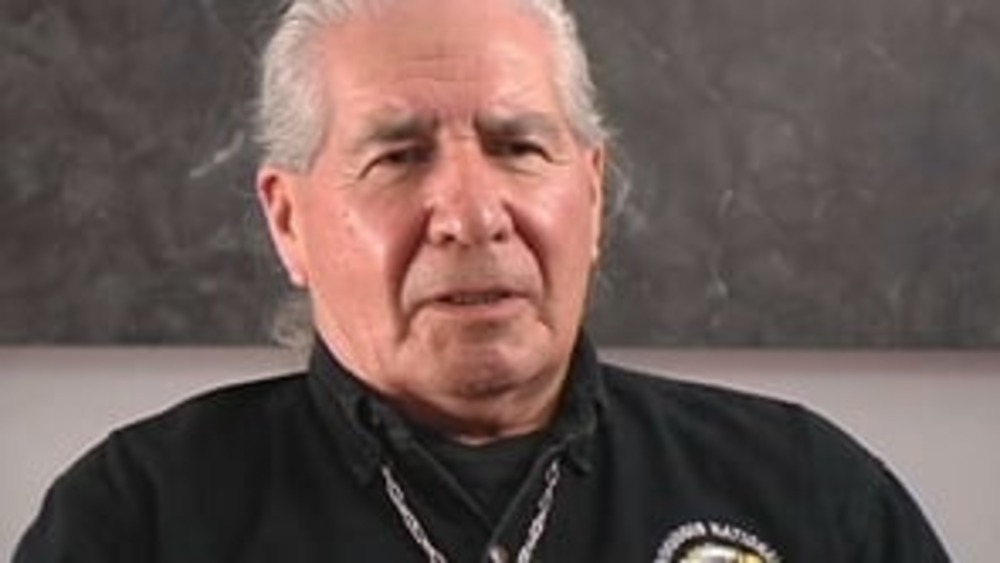
Great Tribal Leaders of Modern Times: Oren Lyons
Produced by the Institute for Tribal Government at Portland State University in 2004, the landmark “Great Tribal Leaders of Modern Times” interview series presents the oral histories of contemporary leaders who have played instrumental roles in Native nations' struggles for sovereignty, self-…
Catalina Alvarez: What I Wish I Knew Before I Took Office
Vice Chairwoman of the Pascua Yaqui Tribe Catalina Alvarez shares what she wishes that she knew before she first took office, and focuses on the importance of elected leaders understanding -- and confining themselves to performing -- their appropriate roles and responsibilities.
Robert A. Williams, Jr.: Law and Sovereignty: Putting Tribal Powers to Work
University of Arizona Professor of Law Robert A. Williams, Jr. provides an overview of the U.S. government's centuries-long assault on tribal sovereignty -- in particular the ability of Native nations to make and enforce law -- and stresses the importance of Native nations systematically building…
Honoring Nations: Gabriel Lopez: Ak-Chin Community Council Task Force
Ak-Chin Indian Community Council Member Gabriel Lopez discusses why the Community decided to establish the Ak-Chin Community Council Task Force, and shares how the Task Force works to protect the cultural and environmental integrity of the Ak-Chin community, reservation and surrounding lands.
From the Rebuilding Native Nations Course Series: "Intergovernmental Agreements Are Nation-Building Tools"
Former Nez Perce Tribal Treasurer Jaime Pinkham discusses how intergovernmental agreements are becoming widely recognized as a vital nation-building tool for Native nations, amplifying their sovereignty and expanding their jurisdiction.
Honoring Nations: Sarah Hicks: NCAI and the Partnership for Tribal Governance
Former NCAI Policy Research Center Director Sarah Hicks discusses the growth of the National Congress of American Indians (NCAI) and specifically its recent initiatives to support the nation-building and advocacy efforts of Native nations.
Honoring Nations: Pat Sweetsir: Yukon River Inter-Tribal Watershed Council
Middle Yukon Representative Pat Sweetsir of the Yukon River Inter-Tribal Watershed Council (YRITWC) discusses how and why the Indigenous nations living in the Yukon River Watershed decided to establish the YRITWC, and the positive impacts it is having on the health of the watershed and those who…
From the Rebuilding Native Nations Course Series: "What Successful Intergovernmental Relationships Require"
Native leaders explain the importance of Native nations building their capacity to effectively engage in the development and maintenance of intergovernmental relationships with other sovereign governments, stressing that doing so is a critical component of the full exercise of tribal sovereignty.…
Honoring Nations: Gabriel Lopez and Shannon Martin: Government-to-Government Relations (Q&A)
Gabriel Lopez and Shannon Martin field questions from the audience about their nations' Honoring Nations award-winning programs.

From the Rebuilding Native Nations Course Series: "Intergovernmental Relationships: Tools for Nation Building"
Native leaders discuss the ways that intergovernmental agreements serve as important nation-building tools for Native nations, strengthening their sovereignty and jurisdiction in the process.
Honoring Nations: Duane Champagne: Government-to-Government Relations
UCLA American Indian Studies Professor Duane Champagne briefly discusses the history and importance of intergovernmental relationships for Native nations, spotlighting th Flandreau Police Department as a striking contemporary example.
From the Rebuilding Native Nations Course Series: "The Benefits of Intergovernmental Relations"
Former Nez Perce Tribal Treasurer Jaime Pinkham discusses the concrete benefits of engaging in intergovernmental relations for Native nations.
Honoring Nations: Karen Diver: Sovereignty Today
Fond du Lac Band of Lake Superior Chippewa Chairwoman Karen Diver argues that for Native nations to aggressively assert their sovereignty in order to achieve their goals, they must develop capable governing institutions to put that sovereignty into practice.
Sheila Morago, Jill Peters, and Theresa M. Pouley: Some Tools to Govern Effectively (Q&A)
Sheila Morago, Jill Peters, and Theresa M. Pouley field questions from the audience concerning lobbying, the importance of public education about tribal sovereignty and development, and how the Tulalip Tribal Court deals with fetal alcohol syndrome and its effects.
Michael K. Mitchell: Perspectives on Leadership and Nation Building
Mohawk Council of Akwesasne Grand Chief Michael K. Mitchell discusses the Akwesasne Mohawk's effort to regain control over their own affairs, and offers his advice to leaders who are working to regain jurisdiction over their lands and resources as well as rebuild their nations.

Honoring Nations: Ken James: The Flandreau Police Department (2007)
Former Flandreau (South Dakota) Police Chief Ken James discusses how the Flandreau Police Department works to provide culturally sensitive law enforcement to all of the citizens it serves.
Honoring Nations: Jodi Gillette: A New Era of Governmental Relations
White House Native American Affairs Senior Policy Advisor Jodi Gillette discusses a new era of governmental reform, the result of a new executive branch administration in the federal government. She elaborates on how this change in administration will effect Native nations, particularly with…

Jill Peters: Fostering Productive Intergovernmental Relations
TGen Director for Legislative Affairs and Community Outreach Jill Peters explains what is necessary to foster productive intergovernmental relations at the local, state, and federal levels, and why it is important for nations to build their capacity to advance their priorities in this…